

Share this podcast episode:


Stay in the loop about future episodes
Listen on


Season 6 | EPISODE 10
The Constant Hum: Anxiety and the Tenderness of Christ
1:00:12 · December 9, 2025
Anxiety can feel like a constant hum—an undercurrent of dread that steals joy and whispers disqualification. In this honest conversation, counselor and former Serge field worker Danielle Martinelli-Taylor shares how Christ meets us right in that noise with radical, tender grace. In this episode, we explore the difference between worry and anxiety, why so many missionaries feel overwhelmed, and how Jesus draws near not after we “fix ourselves,” but in our weakness. If you’ve ever feared you’re too anxious, too broken, or too much of a burden, this episode will help you hear the louder song of Christ’s love for you.




Anxiety can feel like a constant hum—an undercurrent of dread that steals joy and whispers disqualification. In this honest conversation, counselor and former Serge field worker Danielle Martinelli-Taylor shares how Christ meets us right in that noise with radical, tender grace. In this episode, we explore the difference between worry and anxiety, why so many missionaries feel overwhelmed, and how Jesus draws near not after we “fix ourselves,” but in our weakness. If you’ve ever feared you’re too anxious, too broken, or too much of a burden, this episode will help you hear the louder song of Christ’s love for you.
In this episode, they discuss...
- True Member Care (09:01)
- Stress Versus Anxiety (19:18)
- Body Signals and Shame (26:20)
- Performance Pressure and Pastoral Anxiety (35:02)
- Coping Behaviors and Deeper Wounds (43:25)
- Trauma, Boundaries, and Finding Help (50:16)
Thank you for listening! If you found this conversation encouraging or helpful, please share this episode with your friends and loved ones. Or please leave us a review—it really helps!
Referenced in the episode...
- Read 𝘛𝘩𝘦 𝘏𝘪𝘥𝘪𝘯𝘨 𝘗𝘭𝘢𝘤𝘦, 𝘛𝘳𝘺 𝘚𝘰𝘧𝘵𝘦𝘳, & 𝘙𝘶𝘯𝘯𝘪𝘯𝘨 𝘰𝘯 𝘌𝘮𝘱𝘵𝘺
- Explore a Serge Apprenticeship
- Bible references: 2 Corinthians 1:8-10, 1 John 3:20, Zephaniah 3:17
Credits
Our guest for this episode was Danielle Martinelli-Taylor, a licensed clinical counselor and the founder of Animo C&C LLC. She has also been with Serge since 2012 and currently serves as the Counseling Coordinator and Home Assignment Specialist. This episode was hosted by Jim Lovelady. Production by Evan Mader, Anna Madsen, and Grace Chang. Music by Tommy L.
𝑮𝒓𝒂𝒄𝒆 𝒂𝒕 𝒕𝒉𝒆 𝑭𝒓𝒂𝒚 𝑷𝒐𝒅𝒄𝒂𝒔𝒕 is produced by SERGE, an international missions agency that sends and cares for missionaries and develops gospel-centered programs and resources for ongoing spiritual renewal. Learn more and get involved at serge.org.
Connect with us!
Get in touch:
Questions or comments? Feel free to reach out to Serge’s Renewal Team anytime at podcast@serge.org
[music]
Welcome to Grace at the Fray, a podcast that explores the many dimensions of God’s grace that we find at the frayed edges of life. Come explore how God’s grace works to renew your life and send you on mission in His Kingdom.
[music]
0:00:22.6 Jim Lovelady: Hello, beloved. Welcome to Grace at the Fray. I used to live in a house that had frequent and prolonged power outages. And you don’t realize the constant hum of the electricity going through the walls until you lose all power in the dead of winter and the hum goes away. Or like when my house used to back up to the train tracks, we lived there long enough to learn to ignore the sound of the train. But when we moved away, we were shocked at how quiet our new place was. I think anxiety can function a lot like that constant hum. But this hum is a hum of dread. This episode is about anxiety, specifically anxiety on the mission field. And my guest today is Danielle Martinelli-Taylor, and she’s a counselor who spent time on the mission field with Serge and now works with Serge’s member care department. And we got a chance to chat about that hum of dread that many, many missionaries deal with, many people deal with. Do you struggle with anxiety? Do you know the difference between worry and anxiety? Do you feel like your anxiety is preventing you from participating in the movement of God’s Kingdom? Do you feel like it’s disqualified you from ministry? Do you know how to let Jesus guide you through your struggles with anxiety? If so, I think you’re going to really find this conversation very helpful and practical in a lot of ways. But just real quick, in this episode, every time I say missionary care, what I mean to say is member care. Member care is our department that cares for our field workers. And we call it that because in a lot of countries, the term missionary has even more baggage than it might have here in the States. We value member care immensely because our missionaries will have longevity on the field if they are well cared for. I want to invite you now to give toward Serge. Your gifts will go toward caring for our missionaries, and from now till the end of the year, your gift will be doubled. Go to give.serge.org to help us care for our missionaries. Now, this conversation with Dani brought to my mind Psalm 139:23-24. It says, Search me, O God, and know my heart. Test me, know my anxious thoughts, and see if there’s any offensive way in me, and lead me in the way everlasting. Let the Lord search you. As Dani unpacks the topic of anxiety, I want you to pay attention to the hum of dread that is in your soul and in your body and start to see it as an invitation for the Lord to lead you in the way, everlasting and pay attention to the hum of dread. But if you’re overwhelmed by this, by the awareness of this, I want you to settle into the reality that there is grace for the anxious. Your anxiety may not feel like a hum, but maybe more like a cacophony of noise that paralyzes you. It may make you feel disqualified for ministry. It may make you think that God can’t use you, but that’s a lie. God gives grace to anxious people and leads them in the way, everlasting. There may be a hum of dread, but God’s grace is real and louder than the cacophony. The Lord is not waiting for you to get your stuff together before you can participate in His Kingdom. It’s in the struggle, not in spite of the struggle, that you find God’s grace.
0:03:57.1 Jim Lovelady: Dani, welcome to Grace at the Fray. Thank you so much for dialing in. From where in Colorado are you?
0:04:06.3 Danielle Martinelli-Taylor: I am technically outside of Denver, but by 10 minutes. In the Denver area.
0:04:12.6 Jim Lovelady: Okay. That’s awesome. Man a hop, skip, and a jump from the mountains. Are you a hiker? Skier?
0:04:21.8 Danielle Martinelli-Taylor: I felt a little intimidated coming to Colorado because people literally jump off helicopters and go skiing down mountains, and I’m like, that’s not me. Like, is that what’s your expectation?
0:04:34.2 Jim Lovelady: Is it like the majority of people in Denver?
0:04:37.4 Danielle Martinelli-Taylor: Literally, my roommate did that. And like, when I moved here, I was like, okay, is this what we should be doing now? All that to say, yes. I do like hiking and I can ski down a mountain? I wouldn’t say that.
0:04:50.7 Jim Lovelady: No skydiving.
0:04:52.2 Danielle Martinelli-Taylor: No. skydiving with my mom, but no jumping out of helicopters to ski down mountains.
0:04:57.8 Jim Lovelady: Oh so no parachute. This is just like straight out of the helicopter.
0:05:01.4 Danielle Martinelli-Taylor: Literally from a helicopter to like go down fresh powder. But anyway, not extreme sport is what I’m saying, but I do enjoy a good outdoor adventure.
0:05:15.5 Jim Lovelady: That’s awesome. Tell me some story. I know you work for Serge with missionary care, but tell me a little bit more your story.
0:05:24.6 Danielle Martinelli-Taylor: I’d love to. I actually grew up outside Boston, Massachusetts, and most of my schooling there, and then I went to undergrad in North Carolina, but then right after undergrad is when somebody told me about this concept of going overseas for two years under the title of apprenticeship. And during my undergrad, I had studied abroad in London and really fell in love with the city and fell in love with just the heart of it and also just like the need for Christianity there. It was similar to Boston, where a lot of the just feel towards Christians felt like there’s a lot of antagonistic and just a lot of things that were hard and dead. And all that to say I was like, oh, I’m going to go back to London, the city, and this Serge apprenticeship thing sounds like a great fit. And I applied right out of undergrad with a good friends, and we got sent to different boroughs, different church plants. And I would definitely say that like shifted so much of my trajectory. Just the two years that I spent there. I did the apprenticeship in a borough called Harrow, and that was not the London I experienced when I was studying abroad. And in a beautiful way, it definitely shifted my perspective. Really humbled me, just entering into a different culture and way of thinking and people’s stories. Both a really beautiful experience. And I would say my second year, I hit a lot of hard pieces, just hitting anxiety, hitting some pieces that were more difficult and things that I tried to bury. And that experience did also set me up for these big questions of like what’s next and what does the Lord have for me? And because of that experience and just the interactions I had with individuals there and conversations, I actually wanted to pursue counseling. And that’s actually what led me down this path of wanting to.
0:07:12.8 Jim Lovelady: That was the catalyst.
0:07:14.1 Danielle Martinelli-Taylor: That was the catalyst, yeah. And I met some counselors on the field that were part of Serge. Also I was sitting with women who have been through some really tough things, and I felt really inadequate of like how do I step into their story? How to like, yes, sitting with them, praying for them. Amazing. And just feeling this tug of is there something else or is there somehow I can step in in a different way to guide women who are going through really difficult things? And I started looking at different universities, different programs, and I settled on Denver Seminary, which is why I’m in Denver.
0:07:47.7 Jim Lovelady: Not for the jumping out of the helicopter.
0:07:51.2 Danielle Martinelli-Taylor: No, no, sadly not because of that. But yeah, it was one of those things where, of course, so many pieces in between. But eventually got to Denver after that apprenticeship, did my MA in counseling. They have a clinical counseling track, which I really appreciated. And while I was doing that, I stayed with the company and I was the intern coordinator. I did that for about three years, which was really interesting to be on the other side of it and to walk through just stories and circumstances with a lot of young people who also were feeling this call but also experiencing like do I, do I not? All those fun questions and so getting to walk with them and the before and after their internships on the field. It was cool to still be connected in that way. And then after I finished that counseling degree, I shifted into what I do now with our company, which is the counseling coordinator. And I just love that Serge is like, hey, there’s a need, so create something. And I kinda created this role and I got to step into it and help our workers find all variety of ways. But counseling care. I do that. And then anyway, I also have started a new role that I’ve also like helped create it called the home assignment specialist. Another thing just be like, oh, let’s put another hat on. But anyway, also helping our people.
0:09:08.0 Jim Lovelady: Yeah, yeah. Say more about that. I totally get the need for counseling with like specific toward in within the general category of missionary care. But what’s this? I didn’t know about this other thing.
0:09:23.0 Danielle Martinelli-Taylor: Home assignment specialist is new in the sense of all our workers and most, most ministries, I would say, have this period of time where they have like a furlough or a home assignment where after so many years on the field, they come back for two, six months and usually come back to their home culture. And for a majority of people, that’s still the US and a lot of the feedback we are getting from workers is that it wasn’t necessarily super restful when they were coming back.
0:09:51.0 Jim Lovelady: It’s a lot of work.
0:09:52.5 Danielle Martinelli-Taylor: That they’re experiencing just the shifts in our church culture and our political climates and family dynamics. And also talking about anxiety and stress like that it wasn’t a restful experience sometimes to actually come back off the field for this home assignment. And they’re going back to the field maybe even more tired or still burnt out or things like that. And in response to that, just that idea of like, how do we care, especially during that time. And just part of my role is to start creating vehicles to help curate that time that could really emphasize that rest and renewal of a home assignment and how to create some structures around that for our workers. It’s another part of the journey of how Serge really wants to care for people.
0:10:39.5 Jim Lovelady: That’s fantastic. Every field worker that I talk to who comes through the home office, they’re like I’m here for home assignment. And I’m like, I mean, sorry. Congratulations. I’m glad and sorry. It’s always I have a ton of support raising to do. I have a ton of traveling to do. I have a ton of churches to visit. I have my children to drag along with us. And yeah, the idea of, oh, but we’re going to take two weeks vacation when we get back or something like that. That’s what everyone’s looking forward to. And it is interesting. You think that it would be a really wonderful thing to just come home. And it is, but it’s not just wonderful. There’s a lot of other stuff there too. And I love it. I love it that the missionary care team is like, hey, there’s a need. We can fill that. Dani, you got this? And you’re like, okay, I got this. Let’s do this. That’s awesome.
0:11:41.8 Danielle Martinelli-Taylor: I think that that’s what a beautiful part of the creativity of like, oh, how do we, it’s going to probably be rocky and it’s probably going to be learning as we go, but absolutely like, oh, there’s a need here. Can we shift something in that?
0:11:58.5 Jim Lovelady: Fantastic. Wait, did you say wicked cool?
0:12:01.5 Danielle Martinelli-Taylor: Ah, yes. It’s going to come out a lot.
0:12:03.4 Jim Lovelady: Take the girl out of Boston, but you can’t take the Boston out of the girl.
0:12:06.8 Danielle Martinelli-Taylor: I love it. I don’t have an accent, just to be very clear. No accent, but the wicked has absolutely stayed.
0:12:13.9 Jim Lovelady: I love it. I’m from Texas, so I say y’all more now than when I lived in Texas.
0:12:19.7 Danielle Martinelli-Taylor: There’s something in that.
0:12:22.5 Jim Lovelady: It’s there. I want to hear you talk about all things anxiety. Specifically anxiety on the mission field. And just the way God works His grace into that. It’s on the list of things that people go, I can’t go on the mission field because I struggle with anxiety or I’m an anxious person or et cetera. All the et ceteras that revolve around the idea of anxiety. And you’re a counselor. I want to hear you just unpack from anecdotal to clinical to everything in between, how you help our field workers navigate anxiety. Ready? Set, go.
0:13:04.8 Danielle Martinelli-Taylor: Okay, got it. I think it’s one of those words that has become more common and like been able to express more in terms of our dialogue and our vocabulary, and yet it has such a varied definition. And from that side of I’m experiencing anxiety, and maybe what I mean is stress, transitional stress jumping into the field, especially the first time, is like so stressful.
0:13:33.8 Jim Lovelady: Jumping out of a helicopter.
0:13:35.2 Danielle Martinelli-Taylor: Exactly. Let’s go with this. That is a lot of stress. And some people, it doesn’t last very long because they hit that mountain, and they love the slopes.
0:13:45.4 Jim Lovelady: Off they go.
0:13:46.2 Danielle Martinelli-Taylor: Exactly. Off they go. But for the majority, I would say that it’s bumpy and you hit a tree. And I think there’s that tension of when does that stress, that transition, difficulties feeling in a new place, new culture, new team. Like, I think of even what you said about you being in Texas and I’m from Massachusetts, and like having those two little cultures on a team. And then you add in so many other dynamics. And I think there’s like those pieces of yeah, we want to normalize that there is stress, that there is tension when you hit the field. And then what, though, starts to become that anxiety that doesn’t leave, that doesn’t feel almost manageable. I knew I wasn’t going to go too long before mentioning it, but the movie Inside Out and Inside Out 2, where it’s like, hey, anxiety, it’s natural. It’s part of the controllers on that control thing. I forget what that was called. But anyway it’s like it’s a natural part of how we are made. And it’s actually like a part of our brain that says, hey, I’m here to keep you safe. I want to give you a little anxiety because you need to be aware of something. And there’s that natural part of anxiety that is actually meant to help us get through difficult things because it makes us aware of it. But then what happens when it becomes maladaptive? And I think that’s when people, especially field workers maybe it’s a surprise that their anxiety has become that. Oh, this is hard transitional stress. This is hard dynamics this is like stress about a new job and a transition to, I cannot stop thinking about how good I’m doing or how bad I’m doing or that I’m not going to get this right, or like having conversations in your head over and over and over again that you just can’t quiet or your body is literally shaking like that your body feels like it’s not calming down. And that’s the type of anxiety that when it’s like, oh, this is more than a stressor. This is more than a signal. This has become something maladaptive.
0:15:55.6 Jim Lovelady: What’s the difference between being a worrisome person or worrying about something and anxiety?
0:16:04.2 Danielle Martinelli-Taylor: I would say worry is able to subside in a reasonable time. You’re worried about something because it’s happening, because it’s about to happen. You’re not sure of it, but it’s able to ease in both your brain and your body. And it’s something coming up that is somewhat in your control too. Like hey I felt worried about this talk today. I was like, am I going to say something really stupid or am I going to say this, that it’s going to come off really weird? I think there’s a worry that’s like a natural space of like, oh I’m a little stressed about this, but I have these practices tools like that I can ease that, I can ease that voice. Prayer or like just breath it really helps. I would say the difference, what we’re talking about, this word anxiety, especially on this clinical side of it, is it’s often things that are actually outside of our control that we can’t stop trying to control or trying to think through. Oh, if I just did this or this or that or if I keep doing that. And that’s what is so hard to let go of, because it’s something that actually is maybe beyond even our ability to control it, but yet we can’t let it go. And that definitely takes a toll with field workers because there’s a lot of things that I think in a way that’s really difficult on the field and really and also like really humbling in the same way is, hey you’re faced with like a whole different type of culture or work where there’s a lot of things that will be out of your control. And like yeah, the like common thing is like how do you step into that. How do you learn about that? How do you trust God in that? All these pieces, but also when you recognize like, oh, my body is not able to calm down, or I keep trying to control those things, or I’m going to these unhealthy coping tools to try to stop this shame or worry, anxiety in my body that’s when we are like, oh that’s bigger than just a worry that that might subside.
0:18:05.5 Jim Lovelady: How do you start to engage with folks? I don’t know how many times you said it, but it seems like you’re saying something about paying attention to your body, paying attention to your thoughts. It’s this being mindful of, oh, man, I’m not able to sleep because I am arguing with that person that I disagree with in all sorts of hypothetical conversations are going on in my mind. Or I got the jitters, or my stomach hurts or and that’s just being paying attention to what our body is doing. How do you… much less our thoughts? How do you start to engage? How do you, I don’t even know what the word is. It’s just like how do you swoop in and go, hey, have you ever thought about how you might be really anxious? Or I don’t know, how does it work?
0:18:56.9 Danielle Martinelli-Taylor: I think that’s part of even our company wanting to normalize saying that you’re struggling. I think that idea of, okay, what does that mean to admit that, oh, this that I feel weak. I feel like I can’t just get over this on my own. I can’t just try harder. And I think that that is part of that first like invitation of, oh something is happening in my body, in my brain, in my sleep, in my relationships, and I might need some extra support here. And I think that that like almost like and that’s even if we have shame around this too. That’s the first way to start cracking shame is bringing it to like that space of the light, which can be really scary. Absolutely. And but I think that’s why in some ways like we want to invite and normalize like, hey let’s talk about that. Who do you talk about it to? A counselor, spiritual director, a mentor, a pastor. Absolutely. That can vary based on the type of anxiety, but I think that that probably is the first invitation.
0:20:06.9 Jim Lovelady: What are the things that you try to convey to our field workers to continue to encourage that DNA of this is safe, you can talk about and admit your struggles, you can confess your weaknesses, it’s okay. So how do you continue to cultivate that?
0:20:25.9 Danielle Martinelli-Taylor: It’s a great question. I think part of that is as even I’m under the umbrella of what we call member care, and I think we’re even talking about that is like how do you invite vulnerability without this fear of like I’ll get in trouble or something like that. And I think that that is I’m so grateful for those conversations to be having. And I think even like quote unquote like my role we start or I start talking to workers literally when they apply and get accepted during that orientation. After a worker has been accepted to Serge, we do something called like a crisis and care outline explanation where we say, hey, guess what? You will experiencing these things on the field. You’re like there is no if. We very beginning being like, you will experience anxiety, you will experience loneliness, you will experience probably like struggles with maybe porn, maybe like issues in your marriage, conflict on a team. Really trying to like be like, we know these things because like we know people have shared these things, that this is their struggle. I think that’s one of the DNA structures we try to start with is like not if, but like you will. Because we’re sinners and broken.
0:21:43.0 Jim Lovelady: Not surprised.
0:21:44.3 Danielle Martinelli-Taylor: We’re not surprised at all. And we also don’t want you to feel like you have to just live with that either. And like also that the and of that is saying, and we want to step in as early as possible when you’re noticing that to be able to set up structure, support systems for you. It’s not like we’re just saying like you’ll struggle with it good luck in the deep ends, but like no we want to give you some life preservers as well.
0:22:09.7 Jim Lovelady: The let’s bear one another’s burdens is what comes to my mind. And I had this image in my mind when you were talking about worry versus anxiety. If I’m walking through the jungle and I’m worried about a tiger jumping out. It’s like that’s good. That’s your body and yeah, that’s your body going, hey, this is a dangerous situation. But if you’re in a safe place and you feel like a tiger is going to come jump out and get you. Your body is going to have that same reaction. And what if you find yourself in way more complicated scenarios like cross cultural ministry. If you find yourself in those places, but and you feel like just constantly, everywhere you go, a tiger is going to jump out and get you. That’s what you’re saying… That’s what I mean by anxiety.
0:23:07.7 Danielle Martinelli-Taylor: No, I think of that like that persistent like that persistent feeling of either I’m in danger you’re saying with the tiger, or the persistent statements that are tend towards maybe that shame or that negativity I’m going to disappoint my team, myself, my family, my supporters. And it’s not just a thought, it’s like a constant fear almost. And that space of like what are those tigers for example what are those tigers? That is like, oh, they feel like they’re always approaching. They always could jump out and I can’t get my brain to like quiet them and absolutely I think that piece of anxiety which even with research has shown like there’s not even a real why sometimes certain people have it more than others. It is a combo of so many different things like with genetics and brain chemistry, and your culture and your biology, and of course your environment. And I think even in that place of like, hey, this like even why does someone have anxiety and why does somebody not in the same exact scenario of their field? It’s not like a clear cut answer either.
0:24:21.7 Jim Lovelady: That’s why member care really is like, okay, we, these things are real. We want to be engaging with these things as diligently and faithfully with you. How does the gospel speak to the tiger that’s not there or the shame that’s misplaced? How do you engage folks with the gospel when they’re in this place?
0:24:53.5 Danielle Martinelli-Taylor: I actually think about how Jesus stepped into that with people because it absolutely varies His interaction with individuals. I kind of think of that place of how He first usually met a person in their pain and He saw them first before talking about the, maybe “solution” or “healing.” And I also think of that space of like it wasn’t necessarily an answer like that He would give when people ask Him questions, but it was like a pointing towards something greater and just like a pointing towards like the space of where is your heart? Where is your mind really based? And of course, He interacts with people differently depending on where they’re at. And Him being able to see our heart, their heart, and actually knowing it, which we as humans can’t do that for others necessarily. But I think of that space of recognizing, hey, you will like face troubles. You will have hardships, and that does not disqualify you. We were actually talking about this morning even on one of my meanings of the 1 Corinthians 1 of the idea of how do we comfort the others when we ourselves have gone through hardships? And Paul says in that 2 Corinthians 1:8 we don’t want you to be uninformed like about the troubles we’ve had ourselves and that we despaired almost of life itself. I’m paraphrasing a little bit. And just that idea of like even feeling the fear of death. And I think of that sometimes of as that tiger, the fear of what will happen. My body can’t calm down. And then in 10, He says He’s delivered us. But I just think of like pausing and before verse 10 happened, before the like he can now say, the Lord deliver us, what was it like for Paul to actually be in that place and to actually think about like, oh, what was it like to actually be in that mindset of despairing or of worry or maybe I would say anxiety? And I think that there is that place of like, okay, this is something difficult that we absolutely would go through as believers in varied ways, maybe not all anxiety. And the gospel says like that does not mean that you are disqualified from my call and come to me. Like come to me. I heard I think a pastor say one time like the reason the Bible has so many like verses that say “do not be afraid” is because He knows we are. And like He knows that’s what’s going to happen. And I just think of that space of, okay that is not again, that is not a surprise even to our Lord. And yeah, that space of like He wants us to come even in that place, to receive from Him.
0:27:25.1 Jim Lovelady: I want to pause this conversation and invite you to join us in prayer for the Serge field workers that we here at the headquarters in Philadelphia are praying for each week. We gather on Tuesday and Friday mornings to pray. And this week we’re praying for our teams in Kenya and Malawi, would you pray with me? Lord, we pray that you would bless these folks. Give them joy in their work in your Kingdom and the pleasure of your joy as they follow you. Give them wisdom and let your grace abound in their relationships with one another, with family members and children and the people that they serve. Heal all sicknesses, liberate the enslaved, protect them from the powers and principalities of darkness, and restore to them the joy of your salvation. And let your Kingdom come and your will be done in these places, just as it is in heaven. We pray in your name. Amen. Now back to the conversation.
0:28:22.1 Jim Lovelady: This is really interesting for me because I’m thinking about how I’m preaching a sermon at a church this Sunday, and I’ve been really worried about it because I’ve had writer’s block. I’ve been like really struggling to get to write this sermon. And that’s the specific thing, but I’ve also been paying attention to the way, just in general, this general hum of dread that is just around when it comes to performing at a certain level. And like that’s where my anxiety resides. It’s complex because it’s like, here’s the lie. You have to be amazing. That’s a lot. The truth is, Jesus is going to put you into places where His power is made perfect in your weakness. And you are going to be participating in things that are amazing. And the temptation for me to hijack that and steal it and be like, look how amazing I am, versus look how amazing it is that I get to participate in this amazing thing. All of that is like floating around in terms of, hey, go be amazing. Go preach an amazing sermon or always be an amazing pastor or watch out, people are looking to you to all those anxieties that are just like the tiger of disappointing others, the tiger of people pleasing, the tiger of using pastoral ministry to hide my shame. All of those things have come out in my writer’s block. I’m like, oh, you’re just wrestling with Jesus. It’s not, doesn’t even really have anything to do with the passage that I’m preaching on. Other than this opportunity to preach. This sermon has become a catalyst for engaging with Jesus in these persistent anxieties that are just always there. And I just noticed man, I don’t, I hate the way that this feels. I hate the way that my body is reacting, and I hate the way that I’ve got this. I like the idea of a persistent hum of just dread when I really do love preaching. I really do love actually wrestling with Jesus. And so on Monday, Lori, my wife, is really funny because I’ll be like, oh man, this is going to be really hard and this is going to be rough. I don’t know if I have anything. And she’s like, man, just wait until Sunday afternoon when it’s like I’m driving home and I go, Jesus, that was a lot of fun, wasn’t it? Like, yeah and she’s like, you always forget before Sunday afternoon. You always forget that that’s what Sunday afternoon is like, where you’ve just eventually given this to Jesus and whatever the Lord does anyway. That’s how I’m wrestling with ministry anxiety or anxiety in ministry. I don’t know that there’s a question there, but I am curious what it’s like for you as you’ve wrestled with anxiety in ministry and how that shaped the way that you think about it and how you navigate even those moments where this persistent hum of dread that is just there.
0:31:24.6 Danielle Martinelli-Taylor: No, I appreciate you sharing that, Jim, and recognizing that space of how often the worry, the fear, the nagging that can come out and being like, oh yeah, how is this almost defeating me from being able to step into this call that the Lord has. And that’s really real. And I think what was wicked interesting that I was almost surprised by was that I was going to experience that when I was a missionary. I think I was raised by boomers and I think there is a tension that anxiety wasn’t really talked about in my household. And even in that, just recognizing what is it? What do we do with it when we see it come? And I think because of that, I mean, so many other reasons. But noticing when I got to the field. I think I felt like a lot of pressure to perform. And there is just this inherent feeling of like these missionaries. Like, I think I was even support raising and somebody was like, oh, the missionary should pray. Like, Dani, Dani, you should pray. Cause you’re the missionary like, you’re more holy somehow.
0:32:27.0 Jim Lovelady: I was at a party the other day and it was a bunch of Christians and someone was like, all right, we’re going to pray and to bless the food. And that person just started praying. And my friend next to me, he goes, hey, look at that. They didn’t ask you. How’s that feel? Feels pretty good, huh? They didn’t ask the pastor to do it.
0:32:49.3 Danielle Martinelli-Taylor: Exactly. I’m off the hook. I know. It’s like I’m not any. Now, of course, it’s easy to just be like, oh I’m not anything special. But I think that pressure definitely got to me mentally, and I definitely saw it really crop up my second year on the field when I was in this mindset of needing to fill in gaps for certain people that were gone and wanting to really do well in terms of there was events, and they need to be completed, and they need to have things done. And then it became an incessant feeling of you need to perform. You need to get this right. You need to show that this church, this event goes well, and that even transforms personally from some, into some disordered eating. And I think my anxiety manifested into, what can I control? And I was like, this is what I can control. And that was something that absolutely hit, too. Like, I was like, didn’t want to take time to deal with that. Like, don’t have time for that or bring that into the light. And I think that there’s even that piece of recognizing, oh, this is an avenue that now I feel like I can control. But it has come out in all maladaptive ways.
0:34:06.8 Jim Lovelady: Is it that this thing is a symptom of this deeper issue, and that’s the trail. You follow that trail to get to these deeper things? You can observe someone who has an eating disorder. You can observe someone who drinks too much. You can observe someone who’s looking at pornography or any coping strategy. You can observe that. And we want to go, hey, we need to get rid of that thing because it’s observable. But you’re like, no, no, actually, there’s something deeper going on. How do you trace that from this thing that we can see down to the deeper issue?
0:34:53.2 Danielle Martinelli-Taylor: I think recognizing what our body reveals is trying to signal us to saying where we actually need help. I work actually a lot with clients who have PTSD. Also, just a quick clarification, I actually don’t counsel anybody with Serge. I help them find counselors, but we always just keep the boundary of since I’m employed by Serge, I don’t want to make it feel awkward if I’m also counseling people within our company, within Serge. But I still counsel individuals who are overseas in different scenarios. And a lot of my clients absolutely have experienced trauma and so which anxiety is a huge component that can come out from trauma and then a different development of PTSD can also happen. I say all that to preface usually the way that I absolutely engage with clients is saying, okay, your coping tool. It’s what is the way that you’re trying to stay sane in certain ways. Like, it’s what you reached for to try to ground yourself. And we want to recognize that you’re trying to help or care or do something for yourself, but it’s not the answer, basically. But as you said, let’s look a little deeper. Basically, where’s the pain? And out of that pain, how are you trying to put a band aid on a gushing wound? And I think that that is a very deep, hard, takes time, it’s not fixed instantly, conversation. And sometimes a lot of times that’s, did that wound start in childhood? Did that wound start, did that pain start because of school? I know that because of my own counseling, that part of my overachieving that I experienced was actually because I have dyslexia. And in school I was made fun of because I couldn’t read. And part of wanting to prove myself even as a 20 something year old back then was, oh yeah, I still had a wound of not being smart enough or good enough amongst my peers when I was young. And I think that those pieces both actively saying, that is not where my worth comes from. My worth comes from the Lord. And I also really need some help to journey through how I heal these pains too.
0:37:09.6 Jim Lovelady: It reminds me of the story of the rich young ruler, which is one of my favorites. And I feel like I constantly go back to it. You talked earlier about how Jesus is with us in the pain and you’re talking just now about, hey, let’s look deeper and find actually where those places of pain are. And then we’ve got this rich young ruler who’s got everything he wants, but he still hasn’t. He’s got a bit of an anxiety issue about something. I’m missing something and something’s not right and I don’t know what it is. Maybe I’ll ask this dude, Jesus, what maybe I’m lacking, hey, what do I need to do to have the life of the age to come? What do I need to do to have the abundance, heavenly life? Now I followed all the rules. I’ve done everything. I can feel like something’s still lacking. And I love it. I can’t remember if it’s in Mark or in Luke where Jesus looks at him, loves him.
0:38:12.0 Danielle Martinelli-Taylor: Yeah.
0:38:12.4 Jim Lovelady: And that is just… That’s what it is. Let’s look at the pain and recognize that Jesus sees that and He loves you and He is with you in that, and He’s not surprised by that. And once you find yourself in that place, that’s where it’s like, hey, and we join with Jesus in not being surprised by it, by faith. A lot of times because, I mean, a lot of times, honestly, it is surprising. And it’s like, oh, man, this is this hard. You know, that’s what doing ministry is. It’s that being with people, with Jesus and letting Him not be surprised and then Him teaching us how to not be surprised, but to show compassion for these people and let the pain come to light so that Jesus can start to heal it, I guess. I don’t know what’s the next step after that once the pain comes to light.
0:39:13.4 Danielle Martinelli-Taylor: I think there is that space of who is a good fit to walk with you because recognizing, absolutely, some of these pains might be because of some deeper wounds of maybe abuse, maybe some really awful things, maybe a tragic event. And some of these really serious places, okay, there is actually really a lot of wisdom in saying, and then who could be a good fit to walk with you? And we absolutely have wonderful team leaders and member care associates. And that’s part of that. It’s like, hey, you are not alone in that. We want to come alongside you. And just like if you broke a bone, you wouldn’t go to a PT first, you would go to a doctor to reset it. And thinking of the idea of, okay, that might need a specific type of counselor, maybe that means medication along with a counselor. And I think that also that wisdom and that discernment of, okay, this is our revealing. We’re seeing it. And now, what is that place of who can come alongside you that could be a really good fit to walk with you in that place.
0:40:22.1 Jim Lovelady: There’s so many things that want to thwart that, especially when you’re on the field and we just want to hide. We just want to cope. We just want to. I love that. I love even the grace of, hey, do you recognize that your coping mechanisms are actually your search for sanity? And it makes total sense that you do that. There’s a generosity there that I really appreciate that you’re like, hey you’re not crazy for trying to find some sense of order and help in that, but you’re not going to find it in that.
0:41:02.4 Danielle Martinelli-Taylor: It’s not serving you now.
0:41:03.8 Jim Lovelady: That’s really good. That’s really helpful. What do you say to someone who’s thinking about going on the field but really knows well enough that they struggle with anxiety? What do you say to them that those folks that are like, man, I don’t think I should go on the field because of my anxiety.
0:41:26.9 Danielle Martinelli-Taylor: I feel like it’s such a varied answer. Absolutely want to say hey, your anxiety does not disqualify you. Like, that is not the reason that you can’t go. Or that the Lord’s not calling you. And absolutely recognizing thank you for sharing. If that’s something they’re sharing with a friend or a pastor or ministry leader. And also recognizing it also takes work. There’s in a sense of what are you doing now? That would guide you into some healing. Because if you go to the field with out recognizing that you need coping tools and support systems and things that can help, that will be destruction. And that will not be helpful for you or for the people you’re ministering to. And we don’t want to set people up like that either.
An analogy that comes to mind a lot when I think about somebody taking on too much is there’s part of The Hiding Place by Corrie Ten Boom. I don’t know if you know that book where she’s asking her grandfather what’s going on with the concentration camps? But before, when she’s, I think when she’s a kid and he says, hey, can you pick up this suitcase? And she can’t and he’s like that’s too heavy for you. He’s like, I’m paraphrasing, but basically, I’m not going to share that with you because it’s too heavy for you right now. And I think of sometimes that gentleness of, okay, what are things that, hey, this might be too much for me, but that doesn’t mean I can’t grow into that and grow into that strength and grow into being able to one day pick that suitcase up and handle that. And I think about that in so many ways of if you absolutely are struggling with anxiety and also feel called, let’s jump into what will help, what will help you build that strength, what will help you recognize what the shame statements are, what the…Where it’s coming from, how to give you some great coping tools and ways to engage in it. And then also that idea of it’s going to probably crop back up. And do you feel like you have to have those resources to know that you can access that and you can ask for help as well? That’s my long winded answer to maybe that question.
0:43:36.5 Jim Lovelady: That’s fantastic. That’s fantastic. It’s another example of this generosity where there are things that I can’t handle. And Jesus is like, hey, you don’t have to pick that up right now, but we’ll get there. And He sees the long journey I have ahead of me so that I’m not a pastor who’s deathly afraid of what people think of me, whether I preach a riveting sermon or not. The call to faithfulness and the joy of being with him in the middle of it is, that’s the invitation. The invitation to be amazing is, that’s silly. But the invitation to fellowship with the one who is amazing. This thing that He’s given me to do that he’s inviting me to be faithful in now. It’s like, all right, Lord, help me, help me keep my eyes on you, forehead to forehead. Let’s help me to be locked in. Because that’s where the joy of my salvation is, in the midst of the craziness that is all around me and within me.
0:44:42.7 Danielle Martinelli-Taylor: I think of just even when the disciples woke up Jesus in the boat during the storm and their question wasn’t, hey, can you quiet the storm? Like, can you help us? It was, do you care if we drown? Like, do you actually care about me? Like, do you actually see my life? And I think that’s just an interesting reflection of He quiets at first and then he does say, where’s your faith? Do you still have faith? And I just think of that space of still meeting them in that fear of recognizing their fear, recognizing the storm and recognizing that space of, okay, where’s your heart? And I think we can ask Him that. I think there’s plenty of examples of that eye to eye, God, where are you? Like, what’s going on? Why isn’t this healed? Or why am I struggling with that? Or do you care about me? And I think the beauty of He invites us. We can ask those questions of our Creator, which I think is incredible.
0:45:36.8 Jim Lovelady: That’s why do not be afraid is all over the Bible. Because we are much afraid.
0:45:44.7 Danielle Martinelli-Taylor: Yes, we are.
0:45:45.7 Jim Lovelady: People who are just always the hum of dread just always, always going.
0:45:52.3 Danielle Martinelli-Taylor: And I will say too that if somebody is struggling with something, so general anxiety disorder is the diagnosis, if it’s been something that is more persistent, doesn’t go away. It’s over six months of certain symptoms. I definitely recommend if somebody’s listening to this and recognizes, oh, I really need some extra support, please reach out because that is something that you don’t have to walk through alone as well. There was a couple just resources I think of because as we’ve talked about this space of recognizing there is hope too. In terms of, there are practices that have been shown to really help those continual thoughts, those swirling thoughts. And on the counseling side, they’ve shown a lot of support for using different cognitive tools. There’s things called cognitive behavioral therapy, CBT work and I really like one, again, totally just a personal thought, but there’s one that I think aligns a lot with the gospel, which is called REBT, which is rational emotional behavioral therapy. And it’s because of this idea is you recognize that this activating event, whatever it is, leads to a reaction, they call it ABC. The activating event. The A is going to cause you to maybe react out of anxiety or fear or ruminating thoughts or worst case scenarios or all these things, behavioral panic attacks. Those pieces. And what it points out is it’s not the activating event, but it’s the irrational belief about yourself that that event triggers and that’s that B of this idea of, in terms of from a christian lens, what’s that shame statement? The I am not enough. I’m going to be a failure. I’m going to be found out and never wanted again. And then the consequence is actually not from the event but from that belief about self, the reaction in the body or the way you react to others or isolating or things like that. And it talks about a defeating belief, what’s the rational, what’s the truth statement? And then if you believing that, what’s the effect from it? That was a wicked quick rundown. There’s a lot more details in it. But just even that idea of noticing, in counseling, especially if you’re recognizing, hey, this isn’t just a one time fear, this is a worry because of something that’s happening. This is a persistent, ongoing can’t sleep panic attack attacks. Constant ruminating thoughts. I need some support in that. And absolutely recommending that space of, hey, could a counselor step into that? And there’s some great books out there too. I really like one called Try Softer.
0:48:25.6 Jim Lovelady: I love it.
0:48:26.8 Danielle Martinelli-Taylor: I think it’s from a christian therapist. Just even that name, I think it’s a good articulation of what we’ve been talking about. And then even within our own search family there’s a book called Running on Empty by Barbara Bancroft about burnout especially for women in ministry. I could go on, but anyway, so I just even think of an idea of maybe it’s not depending on where you are. Starting to engage with a friend, Starting to engage with a book. Starting to engage with a devotional or a workout schedule. Just recognizing, how do you start, just take that first step with maybe something that you’re recognizing in your body or mind.
0:49:01.3 Jim Lovelady: Oh, that’s really good. Okay, so I’m preaching a sermon this Sunday and I’m sitting down with writer’s block and I’m putting my computer and I’m sitting there, nothing happens. And then I put my computer down and I go, I’m renovating my sunroom. I’ll go, I’m doing some drywall, instead of writing a sermon, I’ll do drywall. And all these scattered thoughts, but it’s all anxious scattered thoughts. It’s rational emotional behavior therapy.
0:49:29.5 Danielle Martinelli-Taylor: REBT. Yeah.
0:49:31.8 Jim Lovelady: How to work some REBT into my sermon prep.
0:49:36.9 Danielle Martinelli-Taylor: As you said, there’s that tension of the activating event. Is a sermon coming up, is the public speaking feeling like this event that is happening in your life and I guess for you, what’s that irrational belief? What’s that fear?
0:49:54.3 Jim Lovelady: I think you said it, it’s like, they’re all going to see that I’m a fraud. It’s the imposter syndrome. But if I do preach a good sermon, then I don’t go back to neutral. I go to, oh, in Sonship categories, there’s my sense of righteousness. And knowing all of that is also part of the wrestling match. Because it’s like, I know that’s not true, but it’s still deep. It’s deep in there. I think that’s the lie that I’m believing.
0:50:35.0 Danielle Martinelli-Taylor: And then hearing that “consequence” from that belief is the writer’s block. Right. I can’t do. I don’t even know where to start, in a way. And part of that, too, is acknowledging that. Right. It’s like, oh, I’m thinking about myself. I’m really thinking about how others will see me. I’m really making this about me. And also, I want to help people, or I want to inspire people. There is a good motive in that space. Right. A good desire, a heart desire. And it’s always, i’s like, oh this is this part of me, and this is this part of what I really hope to be. The defeating, what we call the D of that. The defeating belief from the irrational belief. That connection. Okay, what would defeat my irrational belief about this?
0:51:20.0 Jim Lovelady: What would defeat my irrational belief?
0:51:23.8 Danielle Martinelli-Taylor: Irrational. Sometimes it might not be the exact opposite.
0:51:28.8 Jim Lovelady: Part of it is, is this… If I wasn’t thinking about myself, I really would be free to just think about how this passage is amazing and people need to hear it. There’s a couple things. The passage is amazing and people need to hear about it. But there’s also. I don’t need to be worried about what people think. I just need to be faithful. And if I was free to be faithful without the worry. I guess that would defeat the irrational thought. Is that it? Is there something else in there? What do you say?
0:52:00.3 Danielle Martinelli-Taylor: Yeah. No, that idea of I could fail, and I would still be loved.
0:52:07.4 Jim Lovelady: Okay.
0:52:07.9 Danielle Martinelli-Taylor: Even that space of I could preach a bad sermon and the Lord’s Kingdom is still moving in me and these people. And you can absolutely add to that. Help me with my unbelief. That idea. Right. I want to step into… Of course your calling Lord, I want to do this. But help me because right now I’m feeling really stuck. But noticing that that first that thought that says, oh, this could be. This could happen. I could preach that sermon. What’s the truth?
0:52:40.8 Jim Lovelady: Yeah.
0:52:41.3 Danielle Martinelli-Taylor: And noticing that acknowledgement with the truth and that defeating of the I am shame. And that’s part of it. And of course this is still work in progress as I’m hearing and noticing that might take a couple times of what is that truth? What do I want to live into? The E of this. The effects of the defeating belief. The truth statement is. Oh, does that allow me to just start writing one paragraph today and then go work on my sunroom and come back and write another? That’s it. Just one. And then I’m going to go do something and come back to this. Does that allow me to call up another pastor and ask for some insight? And the effect is, hey, it’s not you are free from this immediately. It’s, will that allow me to take another step?
0:53:30.2 Jim Lovelady: Yeah, yeah.
0:53:31.5 Danielle Martinelli-Taylor: Instead of the consequence from the old way of thinking was just the shutdown or feeling the internal space of going inward.
0:53:40.8 Jim Lovelady: Spiraling inward. That is anxiety compounded on onto anxiety, just a hurricane that just builds into a Category 5 or whatever and eventually that’s really good. And that’s where there’s this move toward repentance where I recognize, oh I believe, help me in my unbelief. Oh, what’s at stake here? Oh, I could stand to ruin my reputation or they could never invite me again. Or they could be like, oh, this, it’s all the fear of man reputation stuff that’s at stake. And Jesus is like, hey, you’re looking for them to give you something that they can’t give. Do you want to be free of that? And I’m like, yes, I do want to be freed, to just love these folks and not be concerned. Thanks for helping me on that.
0:54:32.9 Danielle Martinelli-Taylor: Hopefully and I always caveat, disclaimer, this idea of building a relationship with a counselor, a pastor, a mentor, that’s part of it, too, because we can. I can say some helpful things or these tactics CBT or REBT. But part of that is also that walking with, okay, it came up again. Now, let’s step into it again. And I think that that’s also a huge part of it, too. There’s this really beautiful image of this man walking upstairs, and then he falls off into a trampoline, and then he comes right back on the stairs, but he’s two steps down from there.
0:55:11.8 Jim Lovelady: I know what you’re talking about.
0:55:13.3 Danielle Martinelli-Taylor: Have you seen that one? And I think of that in our journey with anxiety and other mental health struggles of, oh, my gosh, I’ve gotten five steps further, and I feel like I’ve fallen, and now I’ve taken two steps back. But there’s this gradual still of growing even in the midst of that. And I just think that’s also a beautiful analogy for the way that the Lord says, I still see you in that. That doesn’t disqualify you or mean that you’re not good enough anyway. I think of that as also, if you’ve seen that video, if you can picture it, I don’t even know how you Google it. But anyway, I think it’s a beautiful noun, too.
0:55:48.3 Jim Lovelady: It’s a beautiful dance of two steps forward, one step back. Sunday happens every week. Sermons are preached every week. The pressure of what that is, is a weekly pressure. The invitation to come back to Jesus and let him work his healing in my life, is that weekly invitation. This is fantastic. I really appreciate you helping to just unpack what the grace for people who have anxiety. It’s like, grace is sufficient for you, and we’re not surprised. I love the generous posture of, hey, this isn’t an if, this is a when, and we’re here for you. We are with you in this. Thank you so much for hanging out and thank you for loving our field workers, thank you for being so generous and even modeling vulnerability to them and creating a context for them to do the work that they have been called to do. I don’t know y’ all over at member care are awesome. On behalf of the renewal team.
0:57:03.4 Danielle Martinelli-Taylor: No, you’re welcome.
0:57:13.0 Jim Lovelady: I want to celebrate how Dani has found comfort in the Lord and is now offering comfort to our missionaries, walking alongside them to remind them that they’re not alone. And if you found this conversation helpful, share it with a friend. Go to YouTube, follow Serge’s channel where you can watch all the podcasts as well as see what we’re up to all over the world. And go to serge.org, scroll down to the bottom and subscribe to our email list and get more stories of grace in your inbox. And you can see all the ways that you can participate in our vision to see movements of grace reaching, renewing and restoring all things for the world’s good and God’s glory. And as you pay attention to your own hum of dread, the paralyzing power that anxiety can have over you, hold fast to this truth. Jesus is victorious over your anxiety and He has not forgotten you. Your hurt and anxiety are actually what He came to deal with. Jesus took it all on himself as He was crucified in our place. And that’s how we know that we can bring our struggles into the light. And it’s how we know that we don’t need to be ashamed. And since Jesus rose again, we know that we have hope that whether on this side of heaven or the next, there will be a day when this pain no longer has power over us, when perfect love has completely cast out all fear. But there is hope today in this moment for all of us who struggle with various forms of anxiety. That constant hum of dread, that paralyzing cacophony that grips us body and soul. 1 John 3:18 says, when our heart condemns us, there is someone greater than our heart. And he knows all things. I want you to know the noise that is louder and truer than your hum of dread. And it’s God’s explosive, joyful song of delight, His love for you. Hear the victory of Christ from the words of Zephaniah 3:17 “The Lord your God is in your midst, a mighty one who will save. He will rejoice over you with gladness. And He will quiet you by his love. And He will exalt over you with loud singing.” This promise is for you. Go in the strength of this promise with this blessing. May the Lord bless you and keep you and make His face to smile down on you. May the Lord be gracious to you, turn His bright eyes to you and give you His peace. In the name of the Father, the Son and the Holy Spirit. One God, life everlasting. Amen.
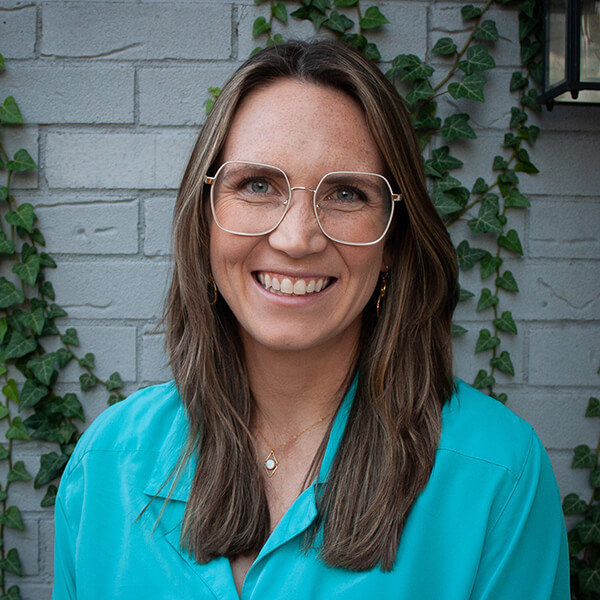
Danielle Martinelli-Taylor
Danielle Martinelli-Taylor is a licensed clinical counselor and the founder of Animo C&C LLC, based in Denver, CO. Her journey with Serge began in 2012 when she joined their apprenticeship program in Harrow, UK. Since then, she has continued to serve part-time with Serge as the Counseling Coordinator and the Home Assignment Specialist. Originally from outside of Boston, MA, her experiences living throughout the US and engaging with diverse cultures internationally have deeply informed her approach to addressing the distinct mental health needs of missionaries.

THE HOST
Jim Lovelady
Jim Lovelady is a Texas-born pastor, musician, and liturgist, doing ministry in Philadelphia with his wife, Lori, and 3 kids, Lucia, Ephram, and Talitha. He is passionate about the ministry of liberating religious people from the anxieties of religion and liberating secular people from the anxieties of secularism through the story of the gospel.