
Share this podcast episode:


Stay in the loop about future episodes
Listen on


Season 7 | EPISODE 4
Risk or Rust: Vocation as Mission
47:35 · March 3, 2026
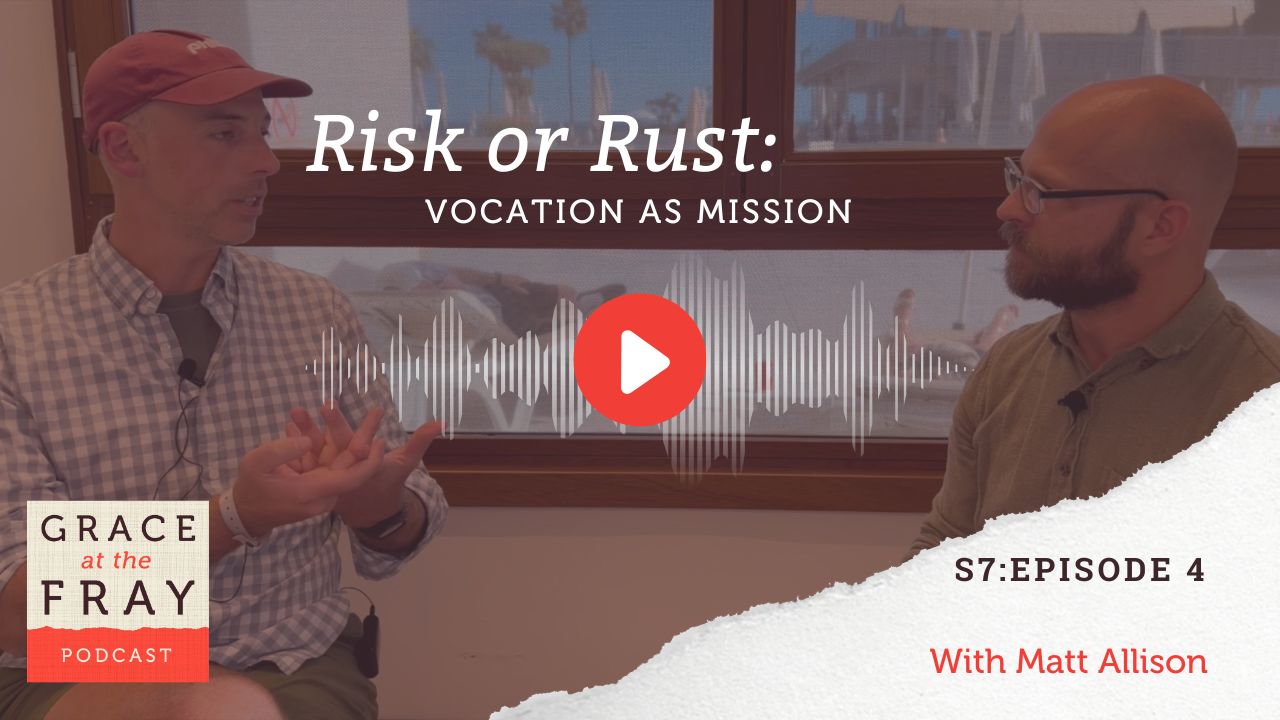
In places where the name of Jesus is rarely spoken, ordinary work becomes a doorway for extraordinary grace. In this episode, Jim sits down with Matt Allison, Serge’s Executive Director, to explore Business for Transformation—real businesses in hard places that embody the gospel through dignity, beauty, and risky obedience. Amid struggle and unseen faithfulness, one truth steadies it all: our hope is not in success, but in Christ’s steadfast love. Listen in and hear how God is at work—making all things new through grace-filled risk and everyday vocation.




In places where the name of Jesus is rarely spoken, ordinary work becomes a doorway for extraordinary grace. In this episode, Jim sits down with Matt Allison, Serge’s Executive Director, to explore Business for Transformation—real businesses in hard places that embody the gospel through dignity, beauty, and risky obedience. Amid struggle and unseen faithfulness, one truth steadies it all: our hope is not in success, but in Christ’s steadfast love. Listen in and hear how God is at work—making all things new through grace-filled risk and everyday vocation.
In this episode, they discuss...
- Kingdom Work Beyond Evangelism (06:10)
- A Justice Business that Endures (12:05)
- Young Builders with Long Runways (18:00)
- Catalysts for Risk and Repentance (24:52)
- Invitation to Consider B4T (35:05)
Thank you for listening! If you found this conversation encouraging or helpful, please share this episode with your friends and loved ones. Or please leave us a review—it really helps!
Referenced in the episode...
- Explore B4T opportunities
- Read From Sex Trade to Freedom: The Transformative Power of Business for Transformation
- Bible references: Revelation 21
Credits
Our guest for this episode was Matt Allison, Executive Director of Serge. Matt leads our efforts to mobilize the US church into global missions and support the work of Serge all around the world. This episode was hosted by Jim Lovelady. Production by Evan Mader, Anna Madsen, and Grace Chang. Music by Tommy L.
𝑮𝒓𝒂𝒄𝒆 𝒂𝒕 𝒕𝒉𝒆 𝑭𝒓𝒂𝒚 𝑷𝒐𝒅𝒄𝒂𝒔𝒕 is produced by SERGE, an international missions agency that sends and cares for missionaries and develops gospel-centered programs and resources for ongoing spiritual renewal. Learn more and get involved at serge.org.
Connect with us!
Get in touch:
Questions or comments? Feel free to reach out to Serge’s Renewal Team anytime at podcast@serge.org
[music]
Welcome to Grace at the Fray, a podcast that explores the many dimensions of God’s grace that we find at the frayed edges of life. Come explore how God’s grace works to renew your life and send you on mission in His Kingdom.
[music]
0:00:22.6 Jim Lovelady: Hello, beloved. Welcome to Grace at the Fray. Do you believe that Jesus is making all things new? Do you see it? Can you give examples in your life today of how Jesus is transforming the world around you? I mean, look around. Is your vision of God’s Kingdom overshadowed by the headlines, or can you see through it all and behold the beautiful reality of the gospel and the Spirit’s movement in the church? Well, I wanna tell you the Kingdom of God is on the move, and there are so many stories to tell. However, this episode is about stories that can’t be told, not just yet. Last autumn, I had the opportunity to lead worship for a retreat in Spain for a gathering of our field workers who work and run businesses in secure locations around the world where often being a Christian is dangerous and converting to Christianity is illegal. One of the things that I love about our company is how we think holistically about the spread of the gospel of the Kingdom of God. Our key words are “Reach, Renew, and Restore.” The spread of the Kingdom is not just evangelism. It’s full and abundant restoration to the way things were made to be in Christ. It’s shalom. So the way of bringing the shalom of Jesus to these secure places is through owning and running a business. And as you’ll see in this episode, I don’t mean that owning a business is just a strategic excuse to bring the gospel to these closed countries. I mean, it’s the businesses and the people running them that creates the context for the gospel to transform these places. Here at Serge, we call this ministry Business for Transformation, B4T. I was honored to get to participate in this retreat, just so honored, getting to hear these people’s stories, getting to spend time with them, getting to pray for them and getting to sing with them. One thing that we could never agree on was this question though. Which is better, In-N-Out Burger or Five Guys? [laughter] I don’t think that that ever got resolved. So I’m gonna leave that debate for the comments section. My guest today is Matt Allison. He’s the executive director of Serge and he was also at the retreat and I’m sure that he has his opinion about the age-old debate between In-N-Out Burger and Five Guys. But this episode is actually not about Matt Allison. It’s about the field workers that we can’t talk about. These people are doing amazing work. But if I told you the specifics of all the stories that could be told about these people, it would put their ministry at risk. So I sat down with Matt to talk about how Business for Transformation, this relatively young ministry in the life of Serge, is so exciting and how the opportunities are limitless. Now, over the course of the rest of this season, I’m gonna fudge this a little bit because I’ve managed to do some interviews that kept some of their identities secret. So keep an eye out for those episodes. They’ll be coming up. But for today’s episode, I want you to behold. Jesus, the one seated on the throne, has said, “I am making all things new.” These words are trustworthy and true.
[music]
0:03:46.1 Jim Lovelady: Matt Allison, welcome back to Grace at the Fray. Welcome to Spain.
0:03:48.5 Matt Allison: Thanks, Jim. It’s nice to be in Spain. You can’t quite see in here, but we’re almost surrounded by blue sky right now.
0:03:54.7 Jim Lovelady: Yeah. I’ve been trying to find a place to film that gives an idea of how beautiful it is here. But everywhere else is just too loud.
0:04:03.6 Matt Allison: Yeah. Well…
0:04:04.0 Jim Lovelady: So, yeah, here we are.
0:04:06.2 Matt Allison: Yeah.
0:04:06.3 Jim Lovelady: And this is where the childcare happens when we’re in session.
0:04:10.7 Matt Allison: Oh, cool.
0:04:11.4 Jim Lovelady: So there you go. That’s how I have access to this room. I’m hoping that some guy in a Speedo doesn’t walk by. [laughter] Yeah. Speedo. Oh, great. So we’re here. Why are we here?
0:04:22.0 Matt Allison: Well, so we are doing the first ever retreat for our Business for Transformation workers. We say Business for Transformation and shorthand most of the time we say B4T. Our B4T work is one of the things that we’re actually newer at doing as a company. We’ve been doing B4T for about 15 years. But it is a way to work in kind of hard-to-reach places.
0:04:44.3 Jim Lovelady: It seems there are two things happening. It’s access to countries that otherwise would not give believers access, but it’s also… It’s not just that that’s an excuse to get into the country. These businesses actually, the goal, the triple bottom line, one of the triple bottom lines is we want the culture to be blessed by our endeavors, our business endeavors there, right? Well, what are the other triple bottom lines I keep hearing?
0:05:14.0 Matt Allison: Yeah. So there’s various ways of stating this, but I think the way I would say it, and I hear our workers saying a lot is we want to be running a real business, a for-profit business that has economic impact in the place that we’re working in. We want there to be a clear vision for social impact, and we want the business to be a vehicle for spiritual transformation in the community. So when you look at the kinds of businesses our folks do, you don’t typically see a consulting firm that is basically just a shingle in an office somewhere. You see cafes, you see things related to manufacturing, you see things that kind of create a web of relationship that will allow sort of a field of ministry to naturally develop as you do life with people, as you engage in all the aspects of commerce and running your business.
0:06:11.5 Jim Lovelady: Yeah. I love how the idea of running a cafe… None of these folks have this idea of, “Oh, sure, maybe I’ll just run a cafe.” They’re all people who are passionate…
0:06:23.6 Matt Allison: About the thing.
0:06:23.7 Jim Lovelady: Yeah, about coffee, passionate about hospitality, passionate about creating a third space for people. It’s like, “Well, I always wanted to open up a cafe.”
0:06:33.7 Matt Allison: Right.
0:06:34.1 Jim Lovelady: And so we’re saying, “Well, why don’t you come with us and open up one?”
0:06:38.0 Matt Allison: And do it in this hard place.
0:06:39.3 Jim Lovelady: Yeah.
0:06:39.6 Matt Allison: Yeah.
0:06:39.7 Jim Lovelady: Tell me some of your takeaways.
0:06:41.4 Matt Allison: Yeah.
0:06:41.5 Jim Lovelady: Everyone’s given their reports on what they’re doing, what’s going on, the good, the bad, the ugly, and I mean, it’s just been awesome. So yeah, what are your takeaways?
0:06:51.9 Matt Allison: Yeah. One that jumps out to me is how common the struggles are across different countries and cultures and contexts. We had some people speak to our workers who were christians running businesses, in some cases, businesses with millions and millions of dollars of recurring revenue with a lot of employees. And I think, even from some of those folks we heard oftentimes the struggles seem to outnumber the successes. And so I think as a community, our business owners, our B4T workers can resonate with that. That so often they’re trying to learn culture and language and bureaucratic culture and business culture and navigate these really murky commercial relationships and try to understand what is particular about this business partner that I’m trying to facilitate a transaction with.
0:07:42.7 Jim Lovelady: Yeah. That individual.
0:07:43.6 Matt Allison: That individual versus what is a cultural thing. And you’re just constantly kind of in over your head. And so when you’re hearing these stories, those moments of struggle really kind of come up over and over again. The other thing that just really jumps out at me, none of these businesses are platforms. So in our missions world, there’s often been this idea that business is really just a platform for you to do the important work of evangelism and discipleship. And so your platform business needs to absorb as little time as possible. So a great platform business would be a wedding photographer that has a website, but that doesn’t actually do any weddings, right? [laughter] So you have this visibility in the community and maybe every once in a while you do an event to put new stuff on your website, but really you’re spending almost all your time doing Bible studies with seekers or discipling young believers or trying to train up leaders in the church. Those are all good things to do, but what our workers are doing is saying, “No, we really want something that’s gonna have a far longer lasting impact in this community than a website.”
0:08:55.6 Jim Lovelady: Yeah. So there’s an overarching idea of business as mission.
0:08:59.8 Matt Allison: Yeah.
0:09:00.2 Jim Lovelady: But we intentionally call it Business for Transformation.
0:09:03.3 Matt Allison: Yeah. Yeah. Exactly.
0:09:04.6 Jim Lovelady: And I guess it’s for that reason.
0:09:05.0 Matt Allison: It’s for that reason. Business as mission is a big category. You can find everything from a platform thing that I was just talking about to an entrepreneur that just wants to run their company with explicit Christian values and identity. Those are BAM, business as mission. What we’re doing is BAM as well, but it just has that deeper commitment of we want to run a for-profit business in a place that will have serious social and economic impact alongside the spiritual impact that our workers will have as long as they’re there.
0:09:38.3 Jim Lovelady: Yeah. Let’s unpack that a little bit more because as everyone’s been talking, I’ve been thinking about how… What’s wrong with the platform kind of thing?
0:09:48.3 Matt Allison: Yeah.
0:09:49.4 Jim Lovelady: And it’s like, it’s not about what’s wrong with it. It’s about how the vision for the Kingdom and Kingdom ministry is bigger than evangelism. And it’s even when you say that, it’s kinda in our evangelical, reformed evangelical world to say that evangelism isn’t the most important thing. It’s well, Kingdom work is the most important thing. And so yeah, so say more about how this actually reflects Kingdom work.
0:10:14.2 Matt Allison: Yeah, I mean, I think there’s a principled and a strategic side of this, right? The principled side of it is thinking about Jeremiah 29, seeking the welfare of the city. Even though Jesus is our king and the Kingdom that we ultimately belong to is here and still coming, that’s all true. But the way we seek the welfare of that Kingdom that is coming is through seeking the welfare of the Kingdom that is here right now, the Kingdom of this earth, the nations that exist all around the world and those economies and those societies. And so doing this B4T work, seeking the welfare of those countries is an expression of our identity as members in this other Kingdom. So that’s a theological perspective that we carry into the work.
0:10:58.3 Jim Lovelady: I love that, by the way.
0:10:59.2 Matt Allison: Yeah. It’s core. I mean, when you look at our mission statement, we talk about establishing churches and transforming communities. It’s not an or.
0:11:07.2 Jim Lovelady: Right.
0:11:07.3 Matt Allison: It’s not by establishing churches, then transforming communities. It’s an and.
0:11:12.0 Jim Lovelady: And.
0:11:12.6 Matt Allison: It’s an and. So that’s a principled and. We don’t want to carry these things as two separate missions. It is one mission to establish churches and transform communities. So I think pragmatically the reason that a B4T in the way we mean it versus maybe a platform or something maybe less intentional, is we hope that even if our team is no longer able to be on the ground, through the work of a B4T, there will be an ongoing business. There will be lives transformed, believers who have been gathered through the community of this business to continue work for the foreseeable future. I mean, one of our original B4T projects, I can’t say what country it was in, and I can’t speak too concretely about it, but it’s a justice business that is in the hospitality sector. And it employs women who were working as sex workers and now are able to work with dignity in a hospitality industry job.
0:12:07.6 Jim Lovelady: And a fair wage.
0:12:08.4 Matt Allison: And a fair wage. And so the workers that started that business for family reasons are no longer able to live in that country. But through the economics of the success of the business, that business has been able to regularly expand over the last 15 years. And so now there’s over 100 employees. Not all of them are women who were sex workers, but somewhere between 30 and 50 of them are former sex workers. And so even though our people are no longer on the ground.
0:12:35.6 Jim Lovelady: It’s still going.
0:12:35.8 Matt Allison: It’s still going.
0:12:37.2 Jim Lovelady: Yeah.
0:12:37.9 Matt Allison: There are still Christians on the employ of that business who are caring for these women, social workers, managers, other believers who are caring for these women practically, spiritually, relationally, trying to move them into a different life. And it’s just tremendous that the business is the vehicle to sustain that over the long haul.
0:12:59.5 Jim Lovelady: Yeah. I wanna hear you talk about some of the tensions that you’ve heard that people have given reports about holding these two things. It’s like, this is a real business that’s doing really good work, but also we are people who are on mission specifically to build the Kingdom of God through evangelism, through discipleship, through church planting, all those hopes.
0:13:24.5 Matt Allison: Yeah. So before I talk about the tension, I should first name the why for why most of our workers doing B4T are doing B4T. When you look at that room, most of them, the fundamental or deeper why, why am I doing this? Is that vision for, “I want to go to an unreached place and I want to share the love of Jesus and win people by the grace of God to see Jesus as their king and become a part of His Kingdom and become part of God’s church on the move.”
0:13:56.0 Jim Lovelady: I wanna go where the name Jesus has never been spoken.
0:14:00.5 Matt Allison: Yeah. Yeah. So that’s the why for most of them. It’s not, “Oh, I really would like to try this innovative type of business. Where could I do this?” And so when you think about heart motivation, right? [chuckle] What gets you up in the morning? For most of our B4T workers, the business isn’t the deepest love. It’s sharing the love of Christ in an unreached place. That’s the deepest love.
0:14:22.8 Jim Lovelady: Yeah, you can see how folks are tired from doing the work of the business.
0:14:28.2 Matt Allison: Yeah. And energized by the work of discipleship or evangelism, or yeah.
0:14:32.6 Jim Lovelady: Right. Yeah. It comes from the fruit of, “Hey, this business is giving me these opportunities, and I can’t wait to tell you about it.”
0:14:39.3 Matt Allison: Yeah, you can’t pull those things apart, and everybody in the room believes that. But there is a real reality there. And I think what’s hard is when you look at our church planters or you look at our doctors, or you look at our teachers, in those professional identities, almost all of those people had real training and work career and history doing those things before they went on the field, before they went on mission. We haven’t sent any doctors yet who had no medical training, and I don’t think we ever will.
0:15:06.0 Jim Lovelady: Right. Right.
0:15:06.3 Matt Allison: But many of our B4T workers had to learn on the job how to be entrepreneurs, how to run businesses, how to do a profit and loss statement, and how to do market research. And so anything, when you don’t know how to do something, learning it on the job is hard. [laughter]
0:15:23.8 Jim Lovelady: Yeah. Yeah.
0:15:24.6 Matt Allison: It’s draining.
0:15:25.6 Jim Lovelady: Yeah. How many times have we said, “building the plane while we’re flying”?
0:15:28.0 Matt Allison: Yeah, building the plane while we’re flying. And I think, to be fair to most workers, when you start a new team in a new place, you have that sense of building the plane as you fly.
0:15:35.5 Jim Lovelady: In whatever you’re doing.
0:15:37.7 Matt Allison: Yeah. Yeah. But for most of our missionaries, that’d be true, but you at least have a skill set that’s familiar to you that you’re applying to the situation. You know how to do medical work, or you know how to preach sermons, or you know how to do evangelism and discipleship. So the business thing is a pain point, is a challenge. But I think there’s also just this reality of, I don’t wanna speak too much in binaries, but there are people who really love doing tasks and checklists, and there’s people who really love being in the moment relationally. I would imagine you might be a relational person, Jim.
0:16:10.1 Jim Lovelady: Good guess.
0:16:10.6 Matt Allison: Yeah. Yeah. Yeah. And so [laughter] most of us have those preferences, right?
0:16:14.4 Jim Lovelady: Absolutely.
0:16:15.0 Matt Allison: And I think when you’re in this business environment, there’s always a checklist. There’s always, “I need to file this thing, I need to do payroll, we need to answer these emails.”
0:16:25.5 Jim Lovelady: Yeah. I’m already glazing over as you’re saying this. [laughter]
0:16:27.3 Matt Allison: Yeah. Yeah. Yeah. And then there’s, “Oh, and here’s this person that is asking me, ‘Why are you doing business differently than everybody else around here?'”
0:16:34.4 Jim Lovelady: Right.
0:16:34.9 Matt Allison: And so for most of our people, that conversation, that “Why are you different?” conversation is way more exciting than what needs to be done today for the business to run.
0:16:47.5 Jim Lovelady: Right, right.
0:16:48.1 Matt Allison: So that’s a cost. But when I think about sort of this room, I look around and I’m like, “Wow.” But these are all, I mean, most of the people in this room, there’s about 25 folks here, most of them are under 40. They have done this incredible amount of work in language and culture and learning how to do business in their context.
0:17:08.4 Jim Lovelady: Yeah.
0:17:08.8 Matt Allison: Learning how to file paperwork, learning how to negotiate wholesale contracts, learning how to hire and fire national employees. Just so much work.
0:17:17.7 Jim Lovelady: Yeah.
0:17:18.2 Matt Allison: And they’re all so young.
0:17:19.7 Jim Lovelady: Yeah.
0:17:20.1 Matt Allison: They have a runway in front of them. We’re now the elder statesmen in our 40s, Jim.
0:17:25.9 Jim Lovelady: Oh, man. Yeah.
0:17:26.8 Matt Allison: They have these…
0:17:27.1 Jim Lovelady: Yeah. I’m the oldest one in this room, right? [laughter]
0:17:28.8 Matt Allison: You’re the oldest one in the… Yeah. Yeah. Most of them still have hair on their head. Yeah.
0:17:32.3 Jim Lovelady: Yeah.
0:17:32.6 Matt Allison: It’s amazing. [laughter] They just have this incredible runway of time in front of them. It’s really exciting. If these businesses continue to grow and flourish, they could be doing this for decades, by the grace of God.
0:17:46.7 Jim Lovelady: One of my favorite things about hosting this podcast is that I get to look these folks in the eye and say, “You are amazing.” The data shows that you’re amazing.
0:17:57.8 Matt Allison: Yeah, yeah.
0:17:58.5 Jim Lovelady: The science shows that you’re amazing. But also the energy of this room is such that it’s filled with amazing people. And always the response is, “Oh, well, I’m just doing the best I can and trying to trust God.”
0:18:15.0 Matt Allison: Yeah.
0:18:15.4 Jim Lovelady: And it’s been really hard…
0:18:16.7 Matt Allison: You feel the failures way more than those successes.
0:18:19.3 Jim Lovelady: Right. Every single one of them talked about the struggle to feel like this is working. And meanwhile, I’m just standing back going, “This is amazing.”
0:18:31.0 Matt Allison: Yeah.
0:18:31.5 Jim Lovelady: So, yeah, they are, they’re amazing. These folks are amazing. And part of it is that they are, I mean, really, the fruit of it is this dependency on Jesus that is just very evident. That’s why when I say, “You’re amazing,” they’re quick to go, “Well, I just need Jesus. Lemme tell you how much I need Jesus.”
0:18:51.0 Matt Allison: That’s right.
0:18:51.8 Jim Lovelady: That’s what’s amazing.
0:18:52.9 Matt Allison: Yeah. Yeah.
0:18:54.2 Jim Lovelady: The way that you…
0:18:54.8 Matt Allison: The radical dependency of… When you think about the American identity and we’re so wrapped up in our degrees and our competencies and the meritocracy, this idea that you can achieve up to your success in life is directly connected to your achievement.
0:19:14.6 Jim Lovelady: Yeah.
0:19:14.8 Matt Allison: What you earn and achieve. And so by a meritocratic standard, these people aren’t on the map. Right? Generally speaking, they didn’t go to a business school. Relatively few of them have a CV of successes that incrementally built to this. They took these huge risks.
0:19:32.3 Jim Lovelady: That’s right.
0:19:32.8 Matt Allison: They uprooted their families. They stepped into an environment where they had so many challenge points, so many failure points, and they’ve had a lot of struggle and failure along the way. But I didn’t really know going into this week, would I leave this week thinking the businesses that we have going right now are positioned to continue and flourish? I just didn’t know, because I mean, part of it is in these secure silos that these folks exist in for protection of the work. We don’t always get a ton of information. They don’t have blogs that they’re keeping or prayer updates with lots of photos. So there’s a limit of information. And I was wondering, what will I think about all this? And I’m just so encouraged to be like, “Oh, there’s real stuff happening here.” And there’s even more exciting potential. The future seems really bright.
0:20:29.5 Jim Lovelady: Yeah. The first gathering has been super exciting. I feel totally privileged.
0:20:34.2 Matt Allison: That’s right. This is the first time we’ve done this intentionally for a long weekend like this.
0:20:38.9 Jim Lovelady: Yeah. And everyone’s looking at one another in the eye saying, “Oh, yeah, you too?”
0:20:44.3 Matt Allison: That’s amazing. Yeah.
0:20:45.3 Jim Lovelady: And “Oh, what you’re doing, I didn’t realize.” And, “Oh, we could partner in these ways.” And, “Oh, hey, let’s start chatting offline.” So just the energy in that sense is encouraging as well as people are gonna be launching back to wherever they’re gonna be going.
0:21:02.3 Matt Allison: Yep, that’s right.
[music]
0:21:06.3 Jim Lovelady: I wanna pause this conversation and invite you to join us in prayer for the Serge field workers that we here at the headquarters in Philadelphia are praying for each week. We meet on Tuesday and Friday mornings to pray, and this week we’re praying for our teams in Peru and Romania. Would you pray with me? Lord, we pray that You would bless these folks. Give them joy in their work in Your Kingdom and the pleasure of Your joy as they follow You. Give them wisdom and let Your grace abound in their relationships with one another, with family members and children, and with the people that they serve. Heal all sicknesses, liberate the enslaved, protect them from the powers and principalities of darkness, restore to them the joy of Your salvation, and let Your Kingdom come and Your will be done in these places, just as it is in Heaven. We pray in Your name. Amen. Now back to the conversation.
0:22:06.3 Jim Lovelady: Talk more about risk and failure and trusting Jesus in the middle of all that. How would you synthesize the way everyone’s been articulating those things?
0:22:17.0 Matt Allison: I mean, I’m an Enneagram 3, so I’m the most guilty of this of all. I want my success to be my identity.
0:22:22.7 Jim Lovelady: Yeah.
0:22:23.3 Matt Allison: I want, everybody has in their mind’s eye this voice of condemnation. And my voice of condemnation is like, “You’re mostly a failure. You’re kind of mediocre.”
0:22:35.2 Jim Lovelady: Not good enough.
0:22:35.8 Matt Allison: Yeah, you’re not good enough.
0:22:36.8 Jim Lovelady: I’m a wing 3. I’m a 4 wing 3. So I feel you, buddy.
0:22:39.8 Matt Allison: Yeah. So you probably feel it even more than me…
0:22:40.9 Jim Lovelady: Yeah. Because it’s the self-deprecating.
0:22:44.1 Matt Allison: Yeah. Yeah. Yeah. [laughter] And so I think for me, risk feels really scary because it’s like, “Well, I could fail.” And then I wanna be a success and I want my identity to be my success. I want Jesus’s love for me to be a response to my success. So it feels personally scary to me. So I just say that to start with. But one of the things I loved hearing from Jack over the years was risk or rust. And I think especially when you see these businesses, you see a bunch of people who took a lot of risks. And they uprooted their lives, they invested years. We’ve got folks who came as apprentices to North Africa, learned language and culture, continued on, and are now five-plus years in, starting finally their own businesses.
0:23:34.3 Jim Lovelady: Yeah.
0:23:34.5 Matt Allison: So that’s between the support raising and all the things. They’re approaching a decade of their life that they’re giving to this.
0:23:42.4 Jim Lovelady: And still under 40.
0:23:43.7 Matt Allison: Yeah. And still under 40, which is amazing. And now they’re at this point where they’re like, “Oh, we’ve started this thing and this is how it’s going.” And I just am like, those risks that they’ve taken are amazing. And I think because of our culture and our values, I hope that all of them have felt this freedom to own what’s been really hard about that, to own the things where they’ve been like, “We just totally screwed up. This was a struggle, a failure.” And I think that freedom to fail is in the gospel where it’s not the thing that defines us is really powerful. Because when I think about one of these businesses that’s in their first year of operation and is already starting to see some revenue and has profitability on a very small scale,
I think to myself, in one organizational culture, you would say, “Great. Now how can you get it bigger? How can you do more for the Kingdom today?” And you just internalize this deep pressure to do more, to have a better story, to have greater impact, to have more impressive numbers, to just kind of live by this sense of success. And on the other hand, I can imagine an organizational culture that says, “All right, well, now you just gotta build a bigger moat. Defend this little thing you’ve carved out.”
0:25:05.5 Jim Lovelady: Yeah.
0:25:05.8 Matt Allison: “Make sure it can continue going because your visa to be in the country and kind of your identity relationally depends on it. So don’t screw it up. Just keep slow and steady, keep going, don’t rock the boat.” And there’s times and places where maybe either one of your actions would look like one of those two things, and it’s fine. But what I love about our culture is people feel free to say, “Well, let’s just do something crazy and try something totally new.” And not because we are feeling pressured to have impressive numbers or stories, not because somebody’s clanging a bell that you’ve got to do it or else, but just because we believe God has us in His hands. And we’re free.
0:25:48.5 Jim Lovelady: Okay. How can I risk? It’s by trusting Jesus. How can I trust Jesus? By risking.
0:25:53.8 Matt Allison: By risking. Yeah. And that’s a virtuous cycle, right? [laughter]
0:25:56.1 Jim Lovelady: Yeah. Yeah.
0:25:57.1 Matt Allison: Yeah.
0:25:58.3 Jim Lovelady: And so, well, how do you just start that? Well, jump in.
0:26:00.5 Matt Allison: Yeah. And that was another thing that’s encouraging to me is I was like, oh, we really… Seeing the variety of businesses, the variety of contexts, for the first time I felt like, oh, somebody who is maybe not that startup type person who isn’t able to envision and say yes to, “I’m gonna move to a new country, learn language, culture, and start a new business.” There are enough businesses that we have going on now where there’s a lot of different types, there’s a lot of different types of needs, there’s a lot of opportunity to plug people in. And so rather than the next step being, “I gotta move to a new country and start a new thing,” it’s, “I’m gonna move to a new country and plug into this thing that’s already going.” An airplane that’s already flying, so to speak.
0:26:39.6 Jim Lovelady: Yeah, that’s right, that’s right.
0:26:40.9 Matt Allison: It’s not one I have to build. And so that was exciting to me because I was like, there’s a lot of people out there… Maybe not a lot. I imagine there are people out there that the way God made them, they’re just not gonna be able to start from scratch, and they need a plane to embark on. [chuckle] And I feel like we have more planes, a different variety, and some that are really exciting and might be really exciting for someone.
0:27:03.6 Jim Lovelady: Yeah. I think about what kind of catalyst is required for someone to go, “Oh, I think I’m ready to risk. I think I’m ready to put my money where my mouth is when I say I trust Jesus.” Well, how do you know that you trust Jesus if you’re staying comfortable? It’s just kind of this, it’s a thought of like, “I trust Jesus.” Well, what does that actually…
0:27:29.7 Matt Allison: What does that actually mean?
0:27:29.8 Jim Lovelady: What’s it gonna mean for you? Well, if there’s any kind of… What would be the catalyst? Think, put your recruiter hat on. What is the catalyst that says… You’re looking at someone and you’re going, “Hey, you trust Jesus, but okay, well, what does that mean?”
0:27:50.2 Matt Allison: Right. Well, I think there’s a couple, and I’m just thinking about stories in my own experience of people that I’ve walked alongside. So one archetype would be you’ve had an experience you can’t forget. So maybe it was, “I was shopping at this mall and somehow I struck up a conversation with this Syrian guy who was trying to sell me a watch at the little kiosk in the mall. And we ended up talking for an hour because he just was new to the country, wanted to talk, and I just haven’t been able to forget that conversation. It happened six months ago. I still think about it. I had a dream about talking to him again.” I think saying yes to that risk means being willing to entertain the idea that maybe Jesus has put that experience and is really calling me into something because of how that singular experience has stuck with me.
0:28:49.1 Jim Lovelady: Okay, that’s really good. So I think about talking to that kind of person. Even talking to that person may be too much of a risk.
0:28:59.3 Matt Allison: Yeah. Right.
0:29:00.3 Jim Lovelady: Okay, so what is the baby step risk? And so it’s like, whatever that is, figure that out and let Jesus coax you into that risk.
0:29:10.1 Matt Allison: Yeah. Yeah. And I mean, I think Jesus is not calling everybody to go to the 10/40 window and do this kind of work, but if surprisingly you found yourself in that situation where you weren’t even looking to take a risk, but somehow you started talking to this Syrian guy, pay attention to that. Pay attention to it. The second kind of experience that I think you need to pay attention to is if you are in a season where you see deep idolatry in your life and you are questioning, “Is the whole stack of decisions that I’ve been making around what I care about, what I prioritize, what I’m pursuing, is this really the stack of decisions I wanna make my life around?” So an example would be like, “Jesus is really showing me right now that every decision I’ve made has been around financial security.” So I’m in a vocation or a job or a living situation or financial…
0:30:12.9 Jim Lovelady: Relational situation.
0:30:13.7 Matt Allison: Relational situation, or a financial set [chuckle] of commitments that are just about me being as secure as possible.
0:30:20.6 Jim Lovelady: Yeah.
0:30:21.0 Matt Allison: And I’ve seen that, really, Jesus is showing me right now that I’m putting my trust in these things, and that’s where my security is being found. And I need to reevaluate everything.
0:30:33.7 Jim Lovelady: Yeah.
0:30:34.3 Matt Allison: And so if that’s the season that you’re in, I mean, if you’re being really convicted of that kind of deep idolatry and sort of the very ground you’re standing on feels unstable in some way.
0:30:45.5 Jim Lovelady: Yeah.
0:30:45.8 Matt Allison: You need to pay attention to that. [laughter]
0:30:46.9 Jim Lovelady: Yeah. Yeah. There’s an invitation. The risk is a repentance.
0:30:49.8 Matt Allison: Yeah. The risk of repentance. That’s a good way to say it.
0:30:52.1 Jim Lovelady: Yeah.
0:30:52.5 Matt Allison: Yeah.
0:30:52.8 Jim Lovelady: And the funny thing is, repentance is always this, “Don’t do it, you’ll die. Don’t do it, you’ll die.”
0:31:00.1 Matt Allison: Yeah. Yeah.
0:31:00.6 Jim Lovelady: And it’s true. If you repent…
0:31:01.5 Matt Allison: Something will die.
0:31:02.9 Jim Lovelady: Something will die.
0:31:03.6 Matt Allison: Yeah.
0:31:04.0 Jim Lovelady: Yeah. And with the promise of resurrection at the other side, when you experience the intimacy of fellowship of a God who has already known, always known where you found your security, where you found your comfort, where you found your identity. And then you’re learning to repent of that by taking the risk of… Okay. And repentance isn’t just “I was wrong,” but also “Help me to follow you into real life.”
0:31:29.6 Matt Allison: Yeah.
0:31:30.1 Jim Lovelady: What does that look like? And Jesus is more than likely gonna say, “Well, here, come take a risk with me.”
0:31:35.8 Matt Allison: Yeah.
0:31:36.6 Jim Lovelady: Okay.
0:31:37.3 Matt Allison: Yeah. Because I mean, one of the ways I understand our idols, I think we all can understand an idol is a thing you worship and a thing that you love more than Jesus. But another way I like to think about idols is the things that get in the way of Revelation 21, where Jesus says, “Behold, I’m sitting on a throne. I’m making all things new.” What are the things that are keeping me from being able to behold? What is it? What’s stopping it? The idols are probably the things that are blinding me.
0:32:07.1 Jim Lovelady: Yeah. Blocking my vision.
0:32:07.7 Matt Allison: They’re blocking my vision. So I can’t see King Jesus sitting on that throne, making all things new. I can’t see where He’s working in the world. Our team that first went to North Africa, there’s this great story where they had become convicted from afar that they needed to pursue… This is after 9/11. They needed to pursue the Muslim world missionally. And so they’re on… We take this vision trip. I’m not on it, so I mean the company, we…
0:32:37.3 Jim Lovelady: Yeah. Yeah. Yeah.
0:32:38.0 Matt Allison: We take this vision trip and are just kind of going around to these different towns in this country in North Africa. And initially, it’s largely pretty discouraging. There’s that kind of “What are we doing here?” Strangers in a strange land kind of…
0:32:53.7 Jim Lovelady: Discouraging vision trip.
0:32:54.3 Matt Allison: Yeah. Discouraging. There’s no vision happening. We’re not seeing anything. We’re not seeing signs of the Spirit of God at work. There’s a couple of cities that we had identified, and so we’re kind of leaving those cities on a bus with our tail between our legs, heading to another city that was really just a kind of… I think my understanding is really just meant to be a waypoint, like transportation hub sort of situation. But just randomly, we started talking to some college students and it immediately went into the seeker conversation. So it’s in this moment of, yeah, “We don’t see what you’re doing here, God. We feel like this has all just been a big mistake,” that our now team’s vision just was totally blown open to be like, “Oh, there’s this place over here that we didn’t even think was worth considering. And here are these college students that are asking questions about Jesus.”
0:33:42.3 Jim Lovelady: Yeah.
0:33:42.9 Matt Allison: Open, profound, seeking questions about who Jesus is. And it’s like, I’m so glad that in the context of that trip, we had vision to see that and were like, “Well, we never considered this city, but we’re actually gonna go there instead and live with faith that something’s happening there.” But when I reflect on my own life, and I think any of us who reflect on our lives can quickly realize that we are so rarely open to beholding like that. [chuckle] We’re not good at beholding.
0:34:12.4 Jim Lovelady: Yeah. One of the words that has been thrown around a lot is beauty.
0:34:15.4 Matt Allison: Yeah, yeah, in the weekend. Yeah.
0:34:17.0 Jim Lovelady: Yeah, this weekend. So wanting to make…
0:34:19.9 Matt Allison: Beauty of seeing. [laughter]
0:34:21.1 Jim Lovelady: Yeah. Yeah. Yeah.
0:34:21.7 Matt Allison: Yeah.
0:34:21.8 Jim Lovelady: So it’s all these different ways of seeing the beauty of Jesus, seeing the beauty of His Kingdom, seeing the beauty of the work we’re doing, seeing the beauty of the people that we’re serving, seeing the beauty of the teams that we’re on. And it’s all for that. It’s all for that Revelation 21.
0:34:38.0 Matt Allison: Yeah. It’s to behold what Jesus is making new.
0:34:40.8 Jim Lovelady: Yeah. And let others behold it as well.
0:34:42.4 Matt Allison: And let others see it. Yeah. Call out that glory and call out that work of the Kingdom. Yeah. I love that. And I think that part of that theme of struggle that we were first talking about is even our workers who are on the ground doing this amazing stuff that you and I from a distance can be like, “Unbelievable. Praise God for what is happening.” It’s so also obvious that it’s hard for them to behold. Even as from our perspective, they’re in the middle of something amazing, it’s hard for them to behold because they’re tired.
0:35:13.3 Jim Lovelady: Yeah.
0:35:13.8 Matt Allison: They’re overwhelmed. Team conflicts or stressful business negotiations or discouraging financials from last quarter, all of those things interact with all of our own sin inside and just cloud our eyes. And then suddenly it becomes way more appealing to be like, “You know what? Let’s just take a step back from the business,” or, “You know what? I’m gonna spend more time just on my phone.” [laughter]
0:35:40.3 Jim Lovelady: Right. Right.
0:35:41.1 Matt Allison: Watching Youtube videos.
0:35:42.1 Jim Lovelady: Yeah. “I gotta check out somehow. I gotta find comfort somehow. I gotta find that sense of security.” Those idols, those temptations to those idols don’t go away.
0:35:50.8 Matt Allison: They don’t go away.
0:35:51.6 Jim Lovelady: Yeah.
0:35:52.0 Matt Allison: No, they don’t go away. And I think we often put missionaries on pedestals. And for some good reasons, right? They did say yes to taking these crazy risks. But it’s important to recognize, it’s important for us to recognize that even in the context of these amazing risks that they’ve taken, even in the context of seemingly amazing things happening, they’re still broken people that need the gospel.
0:36:14.6 Jim Lovelady: Yeah. Yeah.
0:36:15.1 Matt Allison: So needy.
0:36:15.8 Jim Lovelady: Yeah, I’m looking around the room and I’m going, these people are so amazing, but I’m not the only sinner in this room.
0:36:20.9 Matt Allison: Yes. Yeah. Yeah.
0:36:22.5 Jim Lovelady: These people are a mess. And these people struggle to believe in the same way that I do in their own context. And so while I wanna celebrate them for who they are and the what they said yes to.
0:36:33.1 Matt Allison: What they said yes to.
0:36:34.7 Jim Lovelady: Yeah.
0:36:35.3 Matt Allison: Yeah.
0:36:36.6 Jim Lovelady: And the way that they’re participating with Jesus is worth celebrating, and at the same time, I’m like…
0:36:42.0 Matt Allison: They’re not the Delta Force.
0:36:44.5 Jim Lovelady: Right, right. Yeah, you’re a mess, too. We’re all a mess.
0:36:47.3 Matt Allison: Yeah.
0:36:48.3 Jim Lovelady: Okay, last question, I think. What’s your prayer for these folks after having hung out with them, gathered in this place?
0:36:55.5 Matt Allison: Yeah. That’s a great question. I mean, I think my prayer for them is that they will not find their hope in their business or ministry successes. I think I want them to find their hope in Jesus and find their hope in believing that He is at work. And I think that’s such a hard dynamic because you’re doing stuff, and so you wanna put your hope in the profit curve of our business or in the number of folks who have found Jesus through the business, because those are such powerful and tangible stories. A few of our folks have really great stories along those lines, but I don’t want them to put their hope in those things. Because for every one of those, there’s another person in that room who’s really discouraged. And I don’t want them to feel this temptation of, “Well, I gotta put my hope in my successes, too.”
0:37:56.0 Jim Lovelady: Right. Yeah, the temptation to compare.
0:37:57.8 Matt Allison: Yeah. The temptation to compare is so powerful, and so I just… And I think if we put our hope in Jesus and His love for us and His action in the world, I think that frees us. I think it frees us to persist in circumstances that seem really promising or really concerning. And every one of these businesses have been in both seasons and will move back and forth between the seasons. So, yeah. What about you? I’m curious to know what you think.
0:38:30.9 Jim Lovelady: Yeah. All weekend it’s been growing in me, this prayer of looking around at these people and just going, I hope you know how delighted the Lord is. Especially it comes after we do… We’re doing the SWOT analysis. Everyone was invited to give their strength…
0:38:51.3 Matt Allison: Their weaknesses.
0:38:52.0 Jim Lovelady: Their weakness, opportunities, and threats. And so, it’s very humbling to do that in front of a group of peers.
0:38:58.7 Matt Allison: Yes. So it’s a little bit like taking some clothes off.
0:39:01.5 Jim Lovelady: Right.
0:39:02.1 Matt Allison: Yeah.
0:39:02.9 Jim Lovelady: And but everyone did it with just this vulnerability that is so honorable. But every, my visceral gut reaction to each one of those as they’re like… As we’re clapping, we clap for each one. Afterwards it was like, clap as loud as I can because it’s like, the Lord is so delighted in the strength, the weakness, the opportunity, and the threat. All of it. It’s not in spite of these things. It’s the “and.” It’s…
0:39:34.5 Matt Allison: It’s not because of these strengths and in spite of these weaknesses I’m delighted.
0:39:37.8 Jim Lovelady: Exactly. It’s just pure unadulterated delight because the Lord just loves you. And they are just deeply… So my prayer is that they would just know how deeply loved they are. Jesus loves them. Jesus loves us. And…
0:39:57.7 Matt Allison: And there’s something powerful about putting yourself in places where that’s all you got.
0:40:03.5 Jim Lovelady: Yeah. Yeah.
0:40:06.0 Matt Allison: Yeah. Where the only thing you can hold on to is an abiding belief that Jesus delights in you.
0:40:11.4 Jim Lovelady: Yeah.
0:40:11.8 Matt Allison: I think a lot of these workers, these missionaries, experience that.
0:40:15.6 Jim Lovelady: Yeah. In the Sonship curriculum, there’s the question, if you lost everything, would you have all you need in Christ? And everyone who answers the question on paper is like, I know the right answer, right?
0:40:26.8 Matt Allison: I know the right answer. Yeah.
0:40:27.6 Jim Lovelady: I know. But the question isn’t for the head to know where our theology is, do you know that Jesus is all you need, right? Yeah, I know that propositionally. The point of the question is to invite you into, no, but seriously. Seriously. What if all you had? And like you said, a lot of these folks are really leaning into that reality of, Jesus, I think you’re all I have today. Do you love me? Let the morning bring me word of your steadfast love.
0:41:01.2 Matt Allison: Yeah.
0:41:02.1 Jim Lovelady: Yeah.
0:41:02.8 Matt Allison: Yeah. I mean, I mentioned being an Enneagram 3 earlier, but you saying that reminds me that often I explain to people my worst fear is living in a van down by the river. And that’s just my own heart. I fear that. I think the gospel truth though is, Jesus will love me as much in a van down by the river as He will hanging out in Spain with a bunch of people doing amazing things. Or being on this amazing podcast, or whatever it is. The love of Christ for me is the same. And is enough. Is enough. And so the answer in my heart is I say it with fear and trembling is like, yes, being in a van down by the river is enough because Jesus is there with me. I don’t know what my kids are doing or what Rachel’s doing. Maybe we can all fit in the van, but Jesus is enough.
0:41:56.3 Jim Lovelady: Absolutely. Yeah. Just the way when the music fades. And all is stripped away.
0:42:07.4 Matt Allison: Yes.
0:42:07.5 Jim Lovelady: [laughter] And I simply come.
0:42:08.8 Matt Allison: Yeah. We’re just both deep in ’90s references. Yours are holier than mine. I’m going Chris Farley, you’re going Chris Tomlin.
0:42:14.8 Jim Lovelady: Down by the river.
0:42:15.5 Matt Allison: Yeah. Yeah. Well, that’s probably right. You are probably a lot holier than me, Jim.
0:42:20.3 Jim Lovelady: Yeah. Oh, those ’90s tunes.
0:42:22.9 Matt Allison: Yeah. Yeah.
0:42:23.7 Jim Lovelady: Well, any final thoughts? Any other things that we haven’t covered?
0:42:26.3 Matt Allison: Yeah, I mean, I think if you’re still watching this conversation at this point, I would just ask you to pay attention to what Jesus might be doing in your own life. It’s really hard to recruit people to go to places where we can’t really talk about the place.
0:42:43.1 Matt Allison: Concretely, we don’t get to show you lots of cool videos and pictures. We don’t get to show you the websites for these businesses, on the front end. There’s so much mystery and security of laden obfuscation.
0:42:57.2 Jim Lovelady: Yeah. It’s dizzying.
0:42:57.8 Matt Allison: It’s hard to recruit for these things. So if you’re still watching at this point in this podcast or listening on your favorite app, consider the fact, is Jesus doing something in your own life that points you in this direction? Because we’d love to talk to you if He is.
0:43:13.3 Jim Lovelady: Amen. That’s a good way to end it.
0:43:14.4 Matt Allison: Yeah.
0:43:14.5 Jim Lovelady: Thank you, my friend.
0:43:15.4 Matt Allison: Absolutely.
0:43:23.3 Jim Lovelady: As you behold and experience the grace of God and as the grandeur of His Kingdom captures your imagination, the natural response is to want to participate. This is what we mean by gospel renewal leading to mission and mission driving you back to gospel renewal. So if you have an entrepreneurial spirit, gifts to build new businesses, I want you to consider how your vocational gifts are needed on the mission field. But maybe you’re not the person who starts something new. Maybe you want to be the one who joins in with what’s already going on. Or maybe you’re someone who just wants to just give it a try. We have Business for Transformation type job openings all over the world. But even if we don’t have a job opening that fits your exact vocational gifts, if you wanna serve, we wanna work with you. So let’s talk. Okay? [chuckle] I wanna invite you to explore participating in Business for Transformation. I’ll leave links in the show notes to explore opportunities, locations, as well as learn more about how lives can be transformed through the vocation that the Lord has called you into. Be sure to check out a blog post that shows what B4T can look like when a real sustainable business becomes the doorway for dignity, healing, and the hope of Christ in a closed access community. And be sure to leave a rating for this podcast. A thumbs up, share this episode with someone. Be sure to subscribe to our YouTube channel. And all of these things really help to share the work of Serge with new folks. Matt and I debriefed together because we couldn’t tell these stories publicly in a podcast format, but one day we will, one day at the wedding supper of the lamb. We’ll share lots of stories. All of us will. You will. At any good wedding where they stand up after the meal and they share stories about the bride and groom, at the wedding supper of the lamb, we’ll share stories about the bride and how the bridegroom rescued her. I’m gonna stand up and tell some beautiful stories about some places where the Lord was doing some amazing things through some amazing people who decided to move from their home to live among a people group that they love. And God was with them, and they were a light in the darkness, and they saw the beauty of God’s Kingdom transformed out of brokenness. And once I’ve introduced them, I’ll force them to stand up and share their detailed stories, all the stories that have had to remain secret and hidden from the public view because before the King returned for His bride, it was just a little too risky to share these stories. But that whole time, the Spirit had been weaving together a story more glorious than we could have imagined. And maybe you’ll stand up and you’ll share stories of grace that you’ve kept close to your heart. And then the bridegroom himself, He’ll stand and He’ll tell the story of His love for those places and for those people, and He’ll share the tears that He collected, and He’ll show His nail-scarred hands, and we will all celebrate. So until that day, go live a life in the grace of God, the God who loves you and calls you to give your life for the sake of His glorious Kingdom. And He goes with you. So receive His blessing. May the Lord bless you and keep you and make His face to smile down on you. May the Lord be gracious to you, turn His bright eyes to you, and give you His peace. In the name of the Father, the Son, and the Holy Spirit, one God, life everlasting. Amen.
[music]
Matt Allison
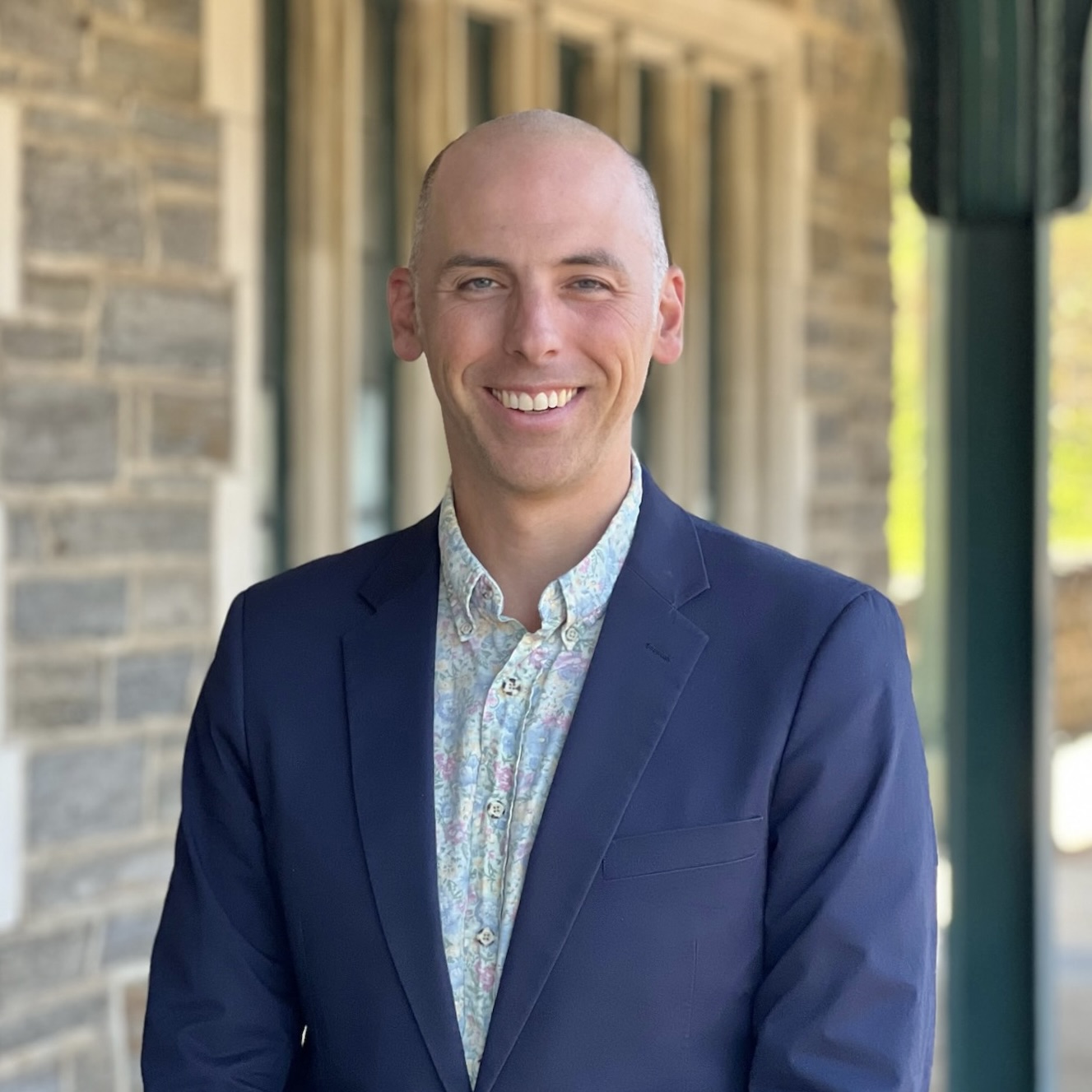
Matt Allison has served as the Executive Director of Serge since 2025. He served with Serge as a missionary in Uganda. He lives in West Philadelphia with his wife and two kids. He loves teaching Sunday school to three- and four-year-olds at his local church.
THE HOST
Jim Lovelady
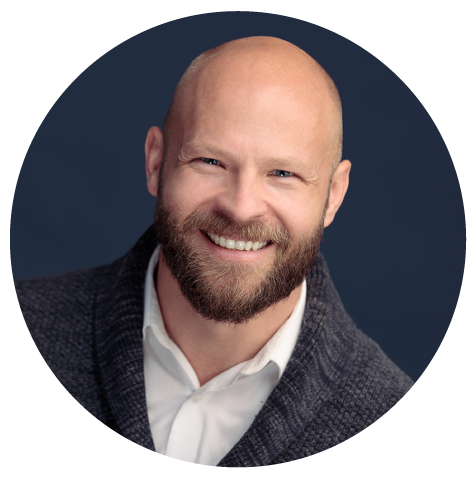
Jim Lovelady is a Texas-born pastor, musician, and liturgist, doing ministry in Philadelphia with his wife, Lori, and 3 kids, Lucia, Ephram, and Talitha. He is passionate about the ministry of liberating religious people from the anxieties of religion and liberating secular people from the anxieties of secularism through the story of the gospel.